June 23, 2026
Access to pristine, safe drinking water is a fundamental pillar of public health, ecological stability, and industrial progress. However, as global populations expand and industrial footprints widen, securing uncontaminated water has become an increasingly sophisticated challenge. Relying on basic, outdated filtration methods is no longer sufficient to combat the diverse array of microscopic hazards found in modern water supplies.
Achieving exceptional water quality requires a dynamic, scientifically backed approach tailored to specific environmental conditions. A truly successful purification strategy relies on multi-stage water filtrations, advanced chemical neutralization, and intelligent monitoring systems. This comprehensive guide explores the multi-faceted dimensions of modern water purification, demonstrating how the right treatment strategy safeguards public health and maximizes sustainability from the original water source directly to your tap.
Understanding Water Contaminants
Types of Contaminants
Water pollutants are incredibly diverse and are structurally categorized into biological, chemical, and physical forms.
- Biological Contaminants: Microscopic pathogens, including harmful strains of bacteria, enteric viruses, and resilient protozoans. These organisms reproduce rapidly and pose immediate, acute health hazards if left untreated.
- Chemical Contaminants: Synthetic compounds such as industrial solvents, agricultural pesticides, pharmaceuticals, and toxic heavy metals like lead, arsenic, and mercury. These elements often leach into water tables via human industrial activity.
- Physical Contaminants: Suspended solids, microplastics, silt, and organic debris. While less toxic on their own, physical sediments compromise water clarity, degrade plumbing infrastructure, and act as protective shields for biological pathogens.
Impact of Contaminants on Public Health
The ingestion of contaminated water triggers severe biological consequences for human populations and local ecosystems. While biological pathogens cause immediate gastrointestinal illnesses, chemical pollutants present insidious, chronic dangers. Prolonged exposure to heavy metals is linked to severe neurological damage, developmental delays in children, and organ failure.
According to the Environmental Working Group, treatment of drinking water for one contaminant, such as nitrate, has advantages for public health. Nitrate accumulation, primarily caused by agricultural fertilizer runoff, poses severe risks to infants and vulnerable populations, making targeted chemical elimination a vital public health priority.
Sources of Environmental Water Pollution
Water pollution stems from a combination of localized point sources and widespread non-point sources. Urban stormwater runoff sweeps automotive fluids, heavy metals, and debris from roads into local watersheds. Simultaneously, industrial facilities may discharge untreated chemical effluents directly into nearby rivers.
Agricultural operations contribute mass nutrient pollution through fertilizer runoff, which triggers devastating toxic algal blooms in lakes and reservoirs. Natural occurrences, such as severe flooding, can also subvert water safety by saturating municipal systems with mud, debris, and raw sewage.
Identification and Quality Assessment
Accurately mapping a water supply's pollution profile requires advanced laboratory diagnostics and field testing. Environmental technicians utilize mass spectrometry, gas chromatography, and biological assays to identify complex chemical compounds at parts-per-trillion levels.
Failing to properly identify specific sub-surface pollutants can cause a treatment facility to deploy incompatible filtration media, leaving dangerous toxins in the final drinking supply. Comprehensive, regular testing forms the factual baseline upon which successful purification infrastructure is built.
Choosing the Right Treatment Process
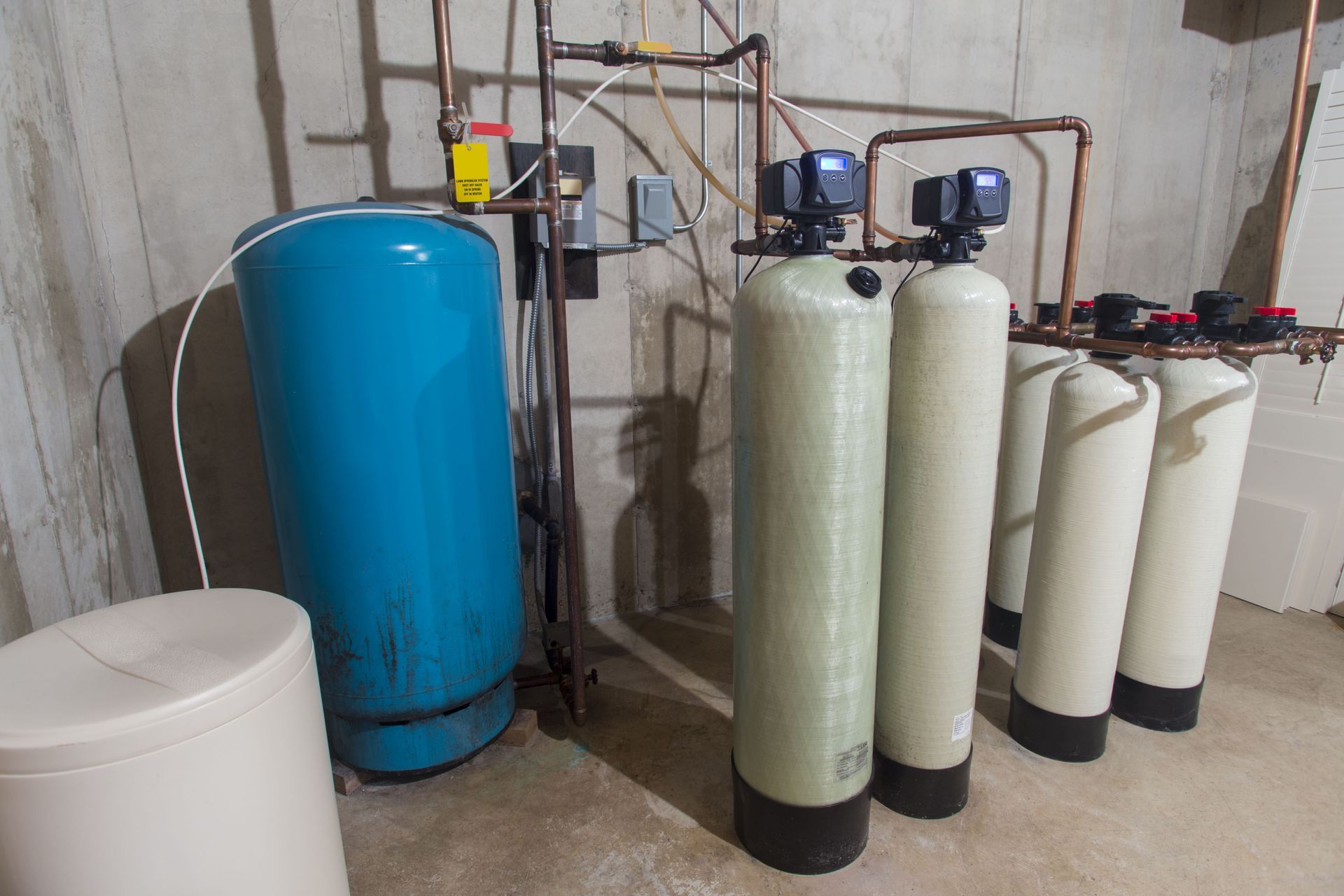
Advanced Mechanical Filtration Systems
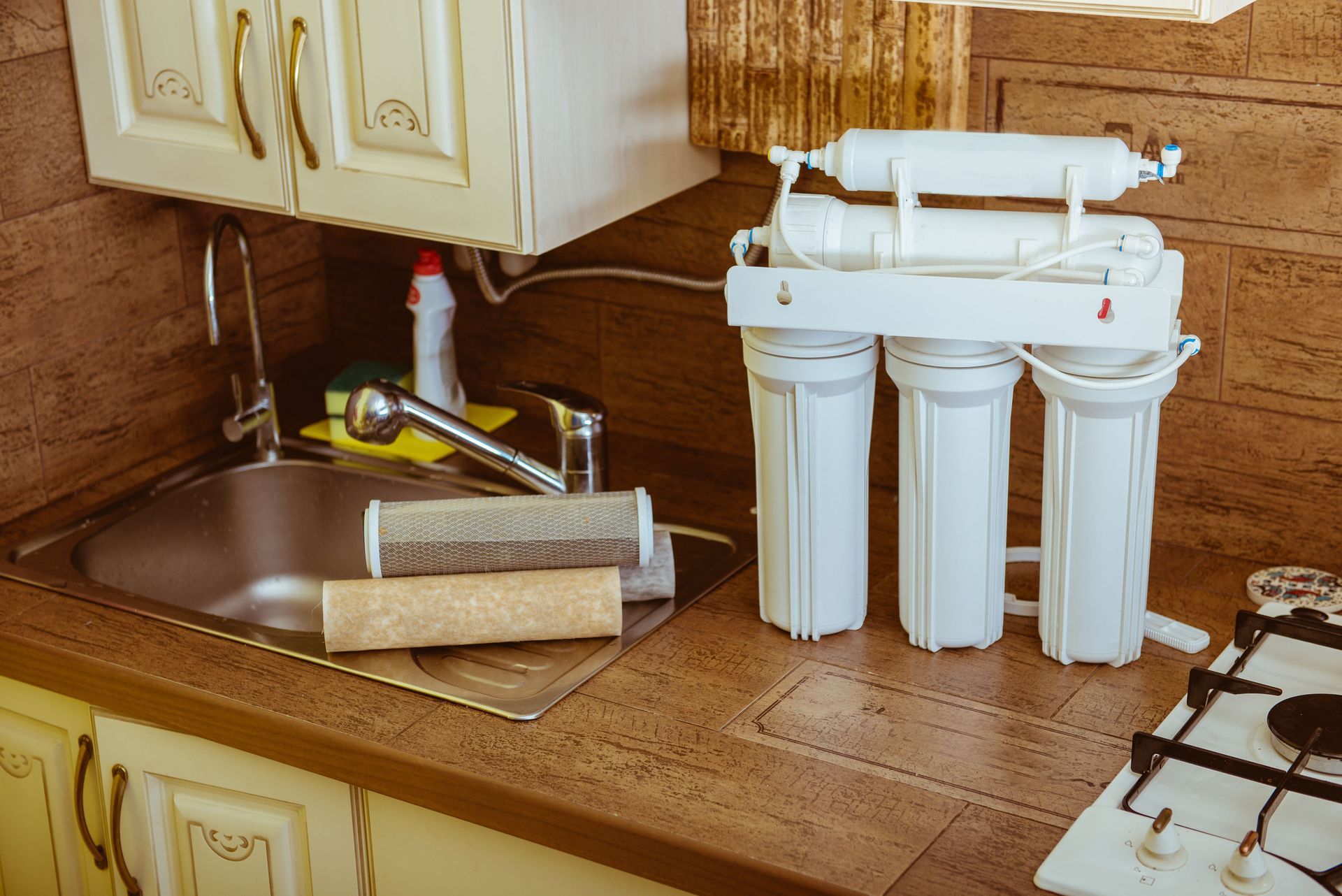
To capture dissolved chemical compounds and ultra-fine particles that bypass traditional sand filters, engineers integrate advanced physical barriers into the treatment matrix. These high-performance water filtrations rely on semi-permeable membranes with microscopic pore sizes.
Integrating these varying tiers of mechanical water filtrations ensures that even the most stubborn dissolved solids are successfully isolated from the water stream.
Comprehensive Cost-Benefit Dynamics
Deploying industrial-scale water treatment systems requires a careful balance between upfront capital investments and lifetime operational expenses. While advanced systems like reverse osmosis boast incredible contaminant rejection rates, they demand substantial electrical power and routine membrane replacements.
Conversely, simpler passive systems are highly affordable but may fail to capture complex synthetic toxins. A thorough cost-benefit analysis allows municipalities and industrial facilities to select a balanced strategy that maximizes public safety while keeping utility costs manageable.
Technological Innovations in Water Purification
The Evolution of Smart Membrane Technology
The field of mechanical separation is undergoing a major technological revolution. Next-generation membrane water filtrations are incorporating graphene oxide and carbon nanotubes into their structural matrix. These advanced nanomaterials exhibit extreme hydrophilicity and highly uniform pore geometries, allowing water molecules to pass through at hyper-accelerated velocities while blocking ions and chemical toxins with near-perfect efficiency. This breakthrough dramatically reduces the pump pressure required for desalination, driving down municipal energy consumption.
Chemical-Free Ultraviolet (UV) Disinfection
Ultraviolet radiation has emerged as a premier methodology for neutralizing biological pathogens without altering the taste, odor, or chemical composition of water. Specialized UV lamps emit intense electromagnetic radiation at a wavelength of 254 nanometers.
This specific light frequency penetrates the cellular walls of bacteria, viruses, and protozoans, permanently disrupting their DNA and rendering them incapable of reproduction. Because UV treatment leaves zero chemical by-products, it eliminates the risk of toxic trihalomethane formation associated with traditional, excessive chlorine disinfection.
Artificial Intelligence and Real-Time Automation
Traditional water testing historically relied on slow, manual sample collection and delayed laboratory turnarounds. Modern treatment facilities are solving this delay by embedding digital sensors and artificial intelligence directly into their plumbing networks.
These smart monitoring systems continuously measure real-time fluctuations in turbidity, pH, electrical conductivity, and chemical concentrations. If an agricultural runoff event suddenly spikes nitrate levels at the intake, the centralized AI instantly recalibrates chemical dosing pumps and adjusts the flow velocity through active water filtrations, neutralizing the threat autonomously.
Addressing Sustainability and Circular Water Economies
Advanced Water Recycling and Direct Reuse
As global groundwater reserves deplete, sustainability demands a shift away from linear consumption toward a circular water economy. Advanced reclamation facilities are now capable of transforming raw municipal wastewater into ultra-pure, potable water.
Through a rigorous multi-stage purification sequence involving ultrafiltration, reverse osmosis, and advanced oxidation, recycled water exceeds strict baseline federal drinking standards. This treated resource can be safely used to recharge depleted subterranean aquifers, irrigate crops, or supply heavy industrial cooling loops, drastically reducing pressure on local freshwater rivers.
Responsible Waste and Residual Management
A major environmental challenge facing water treatment facilities is the eco-friendly management of waste by-products. Media water filtrations require routine backwashing to clear out trapped sediments, a process that generates highly concentrated chemical sludges and toxic brines.
Modern sustainable practices utilize advanced centrifuge dewatering and thermal evaporation to compress these liquid wastes into dry, manageable solids. In some innovative municipal setups, nutrient-rich biosolids are safely harvested, treated, and repurposed as regulated agricultural fertilizers.
Securing clean, high-quality water is a dynamic challenge that requires a proactive combination of precise testing, multi-staged water filtrations, and eco-friendly waste management practices. By abandoning generalized, reactive treatments in favor of automated, contaminant-specific strategies, property owners, municipalities, and industrial complexes can easily neutralize complex modern toxins while optimizing their energy footprints. Investing in a scientifically verified purification blueprint is a vital strategy for protecting public health, ensuring strict regulatory compliance, and protecting our environment for generations to come.
If you are ready to eliminate water quality uncertainties and implement a high-efficiency purification system tailored directly to your commercial facility or residential development, it is time to connect with proven industry specialists. The engineering experts at L&L Systems Inc. are fully dedicated to providing premier, custom-tailored water treatment infrastructure, utilizing cutting-edge filtration tech and advanced system automation to ensure your water supply remains safe, clean, and pristine every single day. Contact their technical design team today to schedule an initial consultation and site evaluation.