June 16, 2026
Water quality plays an essential role in everyday living, influencing drinking water, cooking, bathing, cleaning, and the overall performance of household plumbing and appliances. Over time, advances in filtration and purification technologies have made it possible for homeowners to address a wide range of water concerns directly at the point of use or through whole-home treatment systems. Water filtration is often the foundation of these improvements, helping households achieve more consistent water conditions.
Modern home water treatment solutions can help reduce unwanted tastes and odors, limit mineral buildup in plumbing systems, and improve overall water consistency. Water filtration systems are often customized based on local water conditions and household needs. Water filtration continues to be a key part of improving how water performs throughout the home.
Clear Overview Of Water Contaminants
Water filtration plays an important role in addressing biological, chemical, and physical contaminants that may be present in residential water supplies. These systems are designed to support households using a combination of treatment methods based on specific water quality conditions. Water filtration helps reduce exposure to a wide range of contaminants that may affect water use throughout the home.
Detect Detect Biological Contaminants
Biological contaminants in water can include bacteria and other microorganisms that may be present in private wells or occasionally in municipal supply lines. While not always visible, these contaminants can affect water safety and quality. Water filtration systems may use disinfection methods such as UV light alongside filtration to reduce biological contaminants before water is used throughout the home. Water filtration is especially important in systems designed for untreated or minimally treated water sources.
Remove Chemical Contaminants
Chemical contaminants in water may include naturally occurring minerals as well as substances introduced through environmental or infrastructure-related factors. These can affect taste, odor, and overall water performance in the home. Common approaches to addressing chemical contaminants include activated carbon water filtration, reverse osmosis systems, and ion exchange processes. Water filtration helps manage these variations in residential water quality.
Different treatment methods are used depending on the type and concentration of contaminants present. Residential water filtration systems are often configured to target specific concerns identified through water testing. Water filtration ensures that solutions are tailored to household needs.
Filter Physical Contaminants
Physical contaminants include visible particles such as sediment, rust, sand, and other debris that can enter a household water supply. While not always harmful, these particles can affect clarity and contribute to buildup in plumbing systems and appliances. Water filtration systems are designed to reduce these particles and improve overall water clarity throughout the home.
Locate The Sources Of Water Quality Issues
Water quality concerns in residential settings can come from a variety of sources. These may include natural mineral deposits in groundwater, aging plumbing infrastructure, or local environmental conditions. Homes using well water may experience additional variability depending on location and soil composition. Water filtration systems are often selected based on these conditions.
Stable Effects Of Water Quality On Homes
Water quality has a direct impact on household systems and daily comfort. Hard water can contribute to mineral buildup in pipes, fixtures, and appliances, potentially reducing efficiency over time. Sediment and other particles may also affect water clarity and usability. Water filtration helps address these issues across the home.
Residential water filtration systems help address these concerns by improving overall water consistency throughout the home. This can support better performance of plumbing systems and enhance everyday water use. Water filtration plays a consistent role in improving household water conditions.
Efficient Processes Of Residential Water Filtration
Filter Household Water Systems
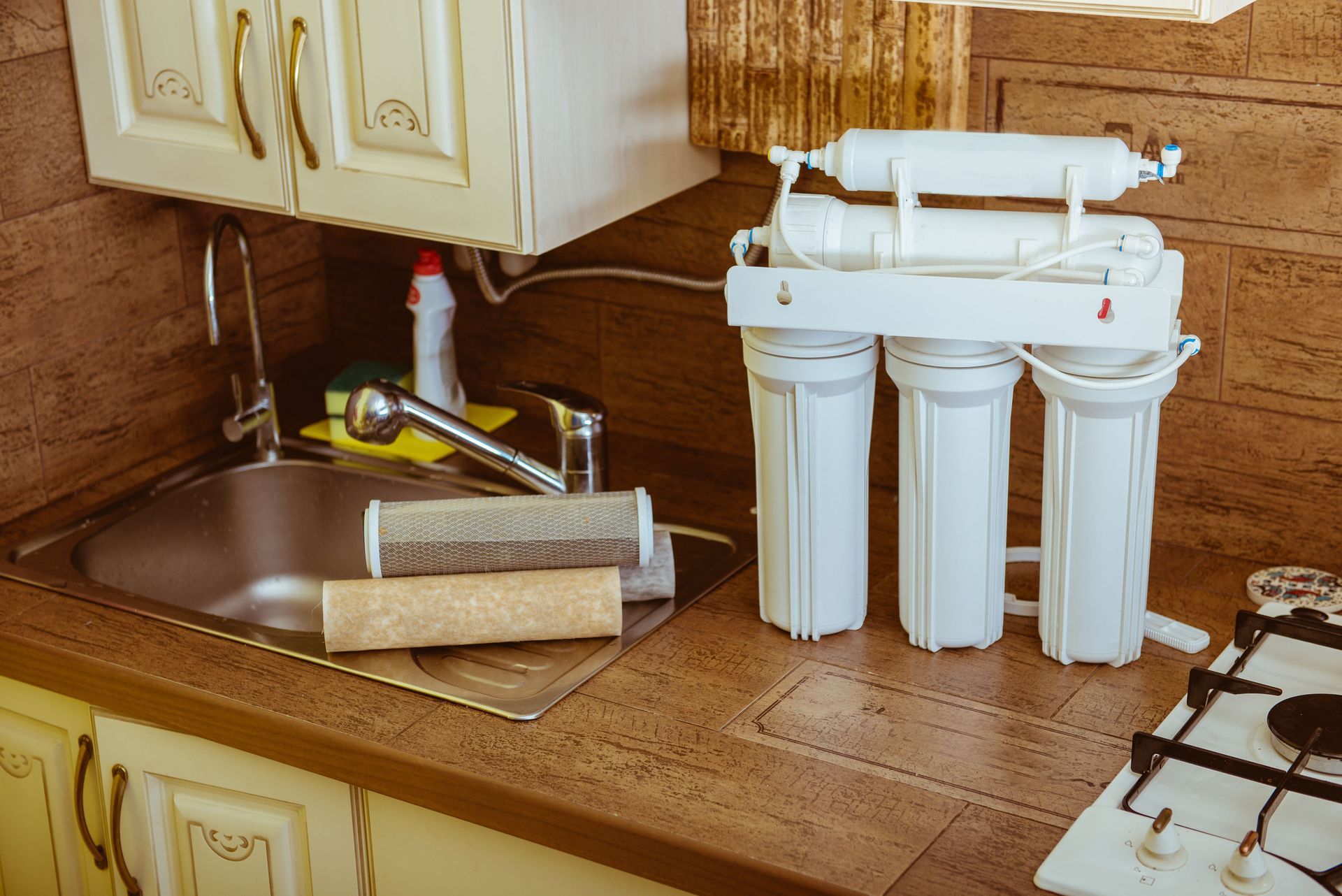
Water filtration is one of the most common methods used in residential water treatment. It works by passing water through a medium that captures particles and impurities. Activated carbon water filtration is often used to reduce chlorine, odors, and certain chemical compounds, while sediment water filtration helps remove visible particles such as sand and rust. Water filtration improves overall water usability across multiple applications.
Regulate Water Conditioning Systems
Water conditioning systems are commonly used to address hard water conditions. These systems help reduce mineral buildup caused by calcium and magnesium, which can affect plumbing systems, appliances, and fixtures. Ion exchange processes are often used alongside water filtration to improve overall water performance throughout the home.
Apply UV Disinfection To Residential Water
UV disinfection systems use ultraviolet light to reduce biological contaminants in water. This method is chemical-free and is commonly used as an additional treatment layer in residential systems, particularly in homes using well water or other non-treated sources. Water filtration is often paired with UV systems for added protection.
UV systems are typically installed as part of a broader treatment setup, working alongside filtration and conditioning systems to improve overall water quality. Water filtration enhances the effectiveness of multi-stage treatment systems.
Enhance Advanced Filtration Of Residential Water Systems
Advanced treatment methods such as reverse osmosis and ion exchange provide additional levels of purification for residential water systems. Reverse osmosis water filtration uses a semi-permeable membrane to reduce dissolved solids, while ion exchange targets specific mineral content to improve water softness and quality. Water filtration is often central to these systems.
Practical Importance Of Water Treatment In Daily Living
Improve Household Water Quality
Water treatment systems help improve the overall quality of water used throughout the home. This includes drinking water, cooking water, and water used for bathing and cleaning. Water filtration reduces unwanted contaminants and contributes to a more consistent water supply. Water filtration remains a key component of household water improvement. According to Forbes in 2025, 50% of those surveyed feel that their tap water is unsafe to drink.
Support Plumbing and Appliance Performance
Mineral buildup and sediment can affect plumbing systems and water-using appliances over time. Water conditioning and water filtration systems help reduce these issues, supporting more efficient operation and potentially extending equipment lifespan. Water filtration plays a preventative role in system maintenance.
Enhance Comfort And Usability
Improved water quality can also enhance everyday comfort. Reducing odors, improving taste, and limiting visible particles all contribute to a more pleasant household water experience. Water filtration helps achieve these improvements in daily use.
Comprehensive Residential Water Filtration Solutions
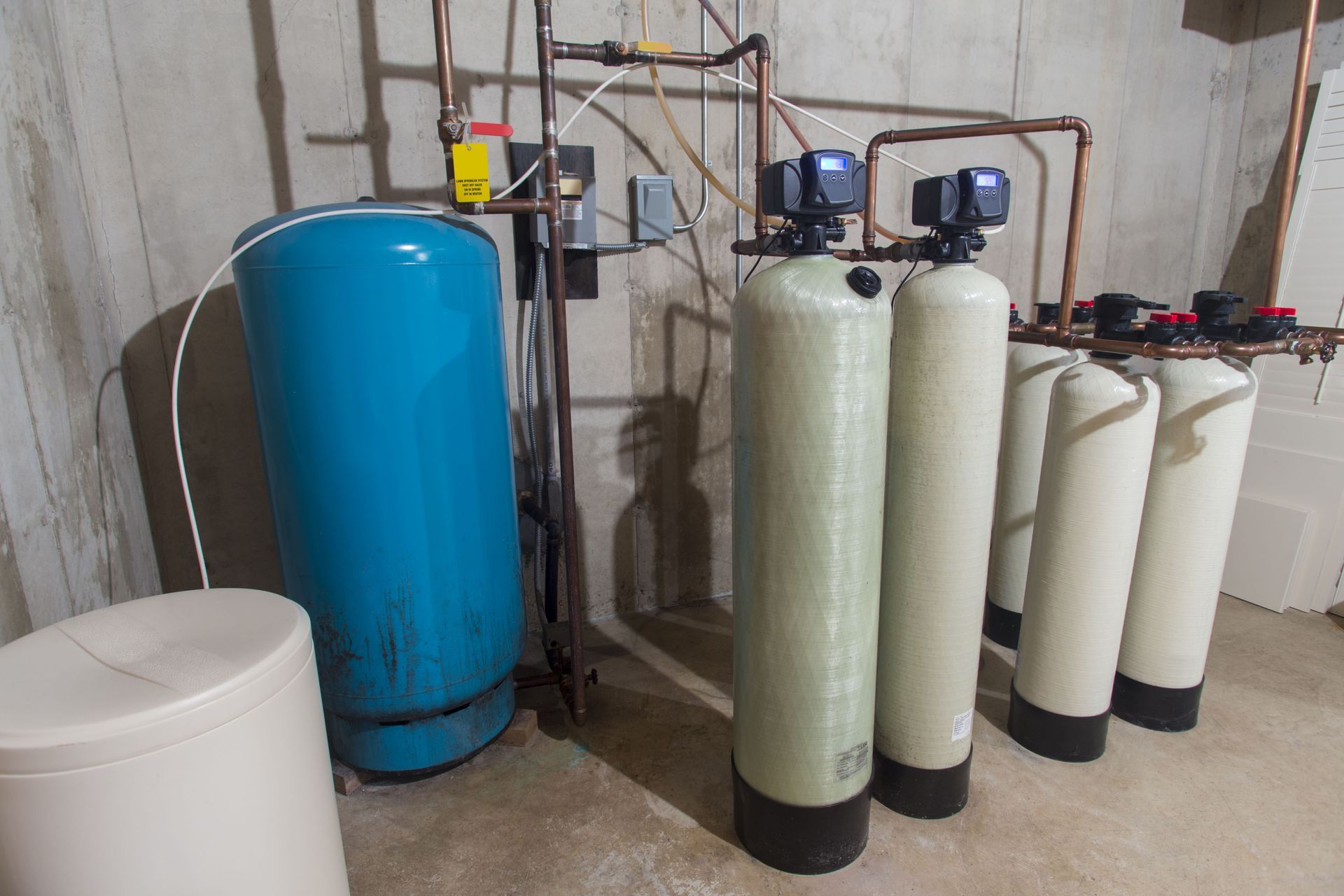
Modern residential water treatment systems are designed to address a wide range of water quality concerns within the home. These systems may include whole-home water filtration units, water conditioning systems for hard water, UV disinfection for biological contaminants, and targeted water filtration for issues such as iron, sulfur odors, or sediment-heavy water sources. Water filtration is often the foundation of these solutions.
In-home water testing is often used to determine the most appropriate system configuration. Based on the results, systems can be designed and installed to address specific household water conditions and improve overall performance. Water filtration ensures solutions are accurately matched to household needs.
Integrated Indoor Air Quality Systems
In addition to water treatment, indoor air purification systems can help reduce airborne particles such as dust, pollen, pet dander, and mold spores. These systems are often integrated into residential environments to improve overall indoor air quality and create a more comfortable living space. Water filtration and air systems together support overall home wellness.
Air purification and water filtration systems together support a more balanced and controlled home environment.
Water treatment plays an important role in maintaining household comfort, protecting plumbing systems, and improving overall water usability. Through a combination of filtration, conditioning, and disinfection methods, residential systems can help address a wide range of water quality concerns. Water filtration remains central to these improvements across the home.
To learn more about available solutions for improving water and air quality in the home, explore residential systems, testing, and installation support with L&L Systems Inc.