November 20, 2026
Clean water is essential for everyday activities, including drinking, cooking, cleaning, and personal hygiene. Although municipal water systems and private wells provide water for millions of households and businesses, the quality of that water can vary depending on its source, treatment, and distribution. Some properties may experience concerns involving mineral content, sediment, unpleasant tastes, or other contaminants. Installing a purification system can provide an additional treatment step based on the specific needs of a property. However, choosing the right equipment requires more than selecting a product based on price or appearance. Homeowners and business operators should evaluate their water quality, usage habits, installation requirements, and ongoing maintenance expectations. Considering these factors before making an investment can help ensure the selected system provides appropriate treatment and long-term value.
1. Identifying Specific Water Quality Concerns
The first step in choosing a purification system is understanding what is present in the water supply. Different water sources can contain different substances, so one solution may not address every concern. Some properties experience hard water caused by dissolved minerals, while others may have sediment, chlorine-related tastes, or other water quality issues. Private well owners may need additional testing because their water does not receive the same municipal treatment. A professional water analysis can help identify the substances that may require attention. When comparing water purifiers, property owners should look for systems designed to address the specific results of their water assessment. Selecting equipment without understanding the underlying issue can lead to unnecessary expenses or inadequate treatment. Starting with accurate information makes it easier to compare suitable purification options.
2. Understanding Daily Water Consumption
Water usage plays an important role in determining the size and capacity of a purification system. A small household may have different requirements from a large family, commercial kitchen, or industrial facility. According to the U.S. Department of Energy, the average American uses approximately 75 gallons of water each day. This level of daily consumption demonstrates why it is important to consider how much water a property needs when selecting treatment equipment. A system with insufficient capacity may struggle to keep up with regular demand, while an oversized unit could represent an unnecessary investment. Property owners should consider drinking water needs as well as other uses that may require treated water. Comparing system output with expected consumption can help establish whether the equipment is appropriate. A properly sized solution can provide more consistent access without creating avoidable capacity limitations.
3. Comparing Available Purification Technologies
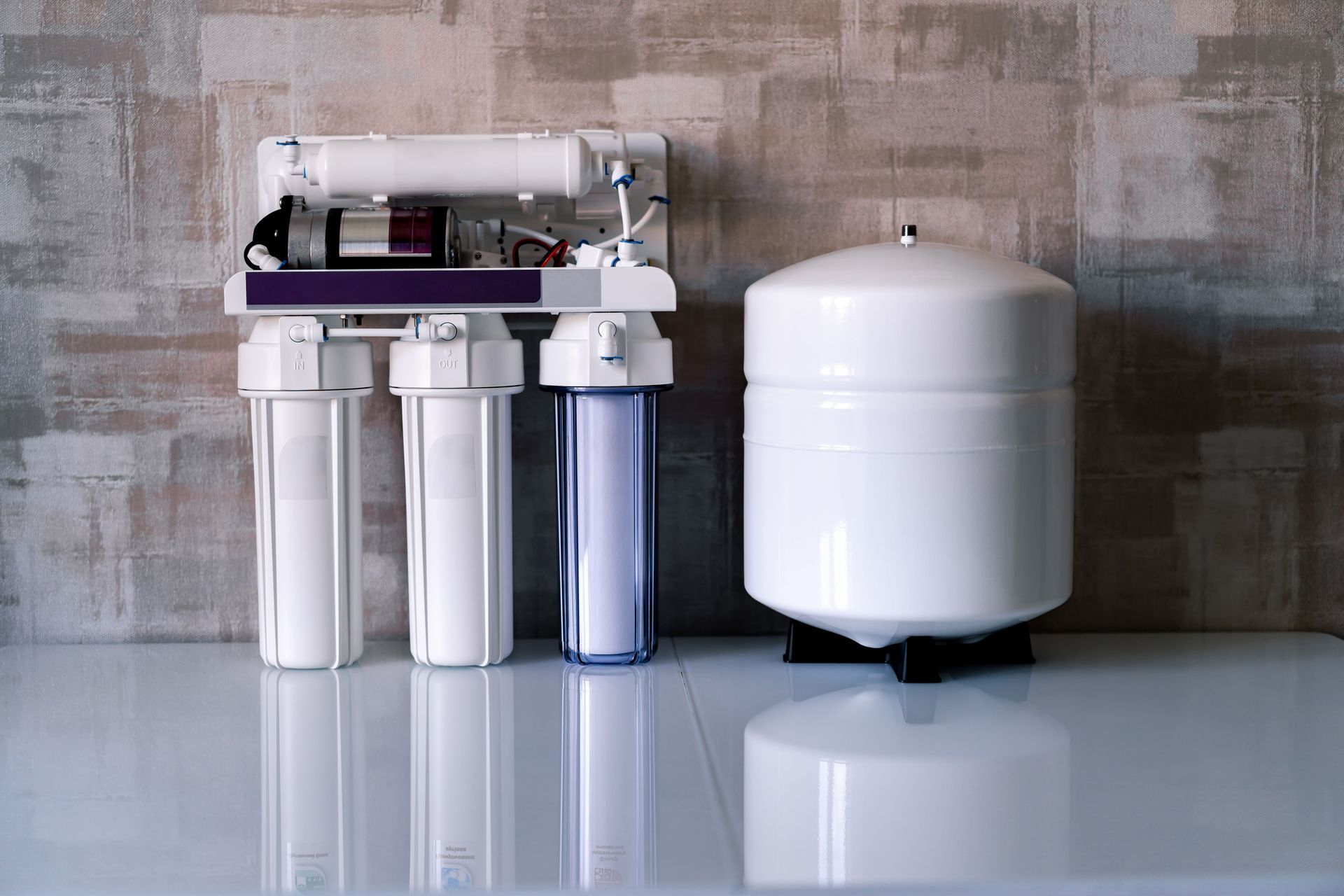
Water treatment systems use different technologies to address specific quality concerns. Activated carbon filters are commonly used to improve taste and reduce certain chemicals, while reverse osmosis systems can remove a broader range of dissolved substances. Ultraviolet treatment uses light to help address microorganisms, although it does not remove dissolved minerals or particles. Some systems combine multiple treatment stages to address several concerns within one installation. Each technology has different operating requirements, capabilities, and limitations. Before investing in water purifiers, property owners should understand what each system is designed to remove and whether it matches their water test results. Product specifications and independent certifications can help verify treatment claims. Comparing technologies carefully makes it easier to avoid paying for features that do not address the property's actual needs.
4. Evaluating Installation Requirements
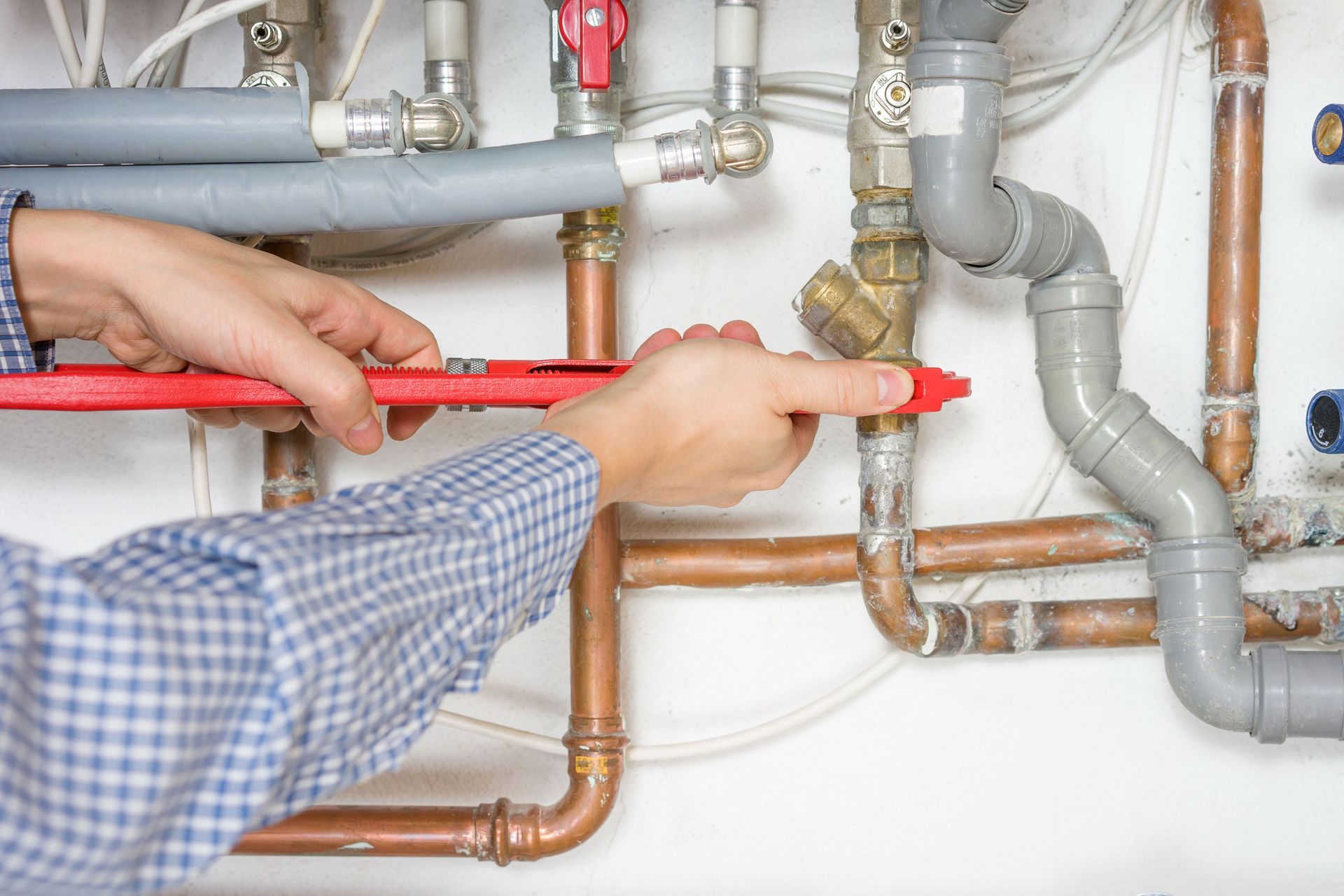
The location and configuration of a purification system can influence which equipment is suitable. Some units connect directly to a single faucet, while others are installed beneath sinks or at the point where water enters the property. Whole-property systems may require additional space, plumbing adjustments, and access to appropriate connections. Commercial installations can involve more complex considerations because of higher demand and existing plumbing infrastructure. Property owners should determine where the equipment will be located and whether the available area can accommodate it. Discussions about water purifiers should also include installation costs, accessibility, and any modifications that may be necessary. A qualified installer can evaluate the plumbing setup and explain what the project involves. Reviewing these requirements in advance helps prevent unexpected complications during installation.
5. Reviewing Maintenance and Filter Replacement Needs
Every purification system requires some level of maintenance to continue operating properly. Depending on the technology, this may include replacing filters, cleaning components, sanitizing storage tanks, or servicing specific equipment. Replacement schedules can vary based on the manufacturer's recommendations, water quality, and the amount of water processed. Neglecting maintenance may reduce system performance and affect the quality of treated water. Property owners should review the availability and cost of replacement filters before choosing a product. Some water purifiers use specialized components that may be more expensive or difficult to obtain than standard replacements. It is also important to understand whether routine maintenance can be handled by the property owner or requires professional assistance. Considering these responsibilities beforehand helps establish realistic expectations for long-term ownership.
6. Considering System Certifications and Performance Claims
Product certifications can provide useful information when comparing purification equipment. Independent testing organizations evaluate certain systems against established standards for contaminant reduction, material safety, and performance. For example, certifications from organizations such as NSF and the Water Quality Association may help consumers identify products that have undergone specific evaluations. However, certification does not mean that every system removes every possible contaminant. Property owners should review the exact claims associated with each product and determine which substances have been tested. When evaluating water purifiers, it is important to compare documented performance rather than relying entirely on advertising language. Manufacturer specifications should also explain the system's operating capacity and recommended conditions. Reviewing this information helps buyers make decisions based on verified capabilities instead of assumptions.
7. Establishing a Practical Investment Budget
The initial purchase price is only one part of the total cost of a purification system. Installation, replacement filters, electricity, servicing, and other operating expenses may contribute to the long-term investment. Some advanced systems have higher upfront costs but may provide treatment features that better match a property's needs. Lower-priced equipment may be suitable for certain applications, but it should still meet the required performance standards. Property owners should compare several options and review what is included in each estimate. They should also consider how frequently consumable components need replacement and whether professional maintenance will be necessary. A realistic budget for water purifiers should account for both immediate expenses and ongoing ownership costs. Looking at the complete financial picture can help prevent unexpected costs after installation.
8. Selecting a Qualified Water Treatment Provider
Choosing appropriate equipment is important, but professional guidance can also influence the success of a water treatment project. An experienced provider can help interpret water test results, explain available technologies, and recommend equipment suited to the property's requirements. Property owners should ask about the installation process, expected maintenance, product warranties, and available support. It is also helpful to understand whether the provider offers assistance if water quality concerns change or equipment performance declines. Clear communication can make it easier to compare recommendations and understand the responsibilities associated with the system. Before purchasing water purifiers, customers should make sure they understand what the proposed equipment can and cannot accomplish. A knowledgeable provider should be able to explain these details without making unsupported promises. Taking time to evaluate the provider helps create a more informed purchasing experience.
Investing in a water purification system requires careful consideration of water quality, household or facility consumption, treatment technology, and long-term operating expenses. No single system is appropriate for every property, which makes testing and professional guidance important parts of the decision-making process. Understanding installation requirements and maintenance schedules can also help property owners select equipment that fits their needs. By comparing documented performance and evaluating the complete cost of ownership, buyers can make a more practical investment. A well-chosen system can provide an additional level of water treatment while supporting everyday water use.
L&L Systems Inc can help property owners explore water treatment options and determine which solutions may suit their needs. Contact us to discuss your water quality concerns, review available systems, and take the next step toward selecting an appropriate purification solution.