November 17, 2026
Hard water can create problems throughout a home, from mineral stains on faucets to reduced appliance efficiency. Over time, calcium and magnesium deposits accumulate inside plumbing systems, restricting water flow and contributing to premature equipment wear. Installing water softeners can help reduce these minerals and protect household plumbing. Understanding how these systems work can help homeowners make informed decisions about maintaining their fixtures and appliances.
Understanding Hard Water and Its Impact
Identifying the Causes of Hard Water
Hard water contains elevated levels of calcium and magnesium, minerals that naturally dissolve into groundwater as it passes through limestone and chalk deposits. Although these minerals are generally harmless to human health, they can create problems throughout a home's plumbing system. As water travels through pipes and fixtures, dissolved minerals can form solid deposits known as limescale.
These deposits accumulate along pipe walls, faucets, showerheads, and appliance components. Over time, they restrict water flow and reduce efficiency. Hard water also reacts with soap, creating soap scum and making it harder for cleaning products to produce an effective lather. Consequently, households may spend more on detergents and cleaning supplies.
Recognizing Common Household Problems
Common signs of hard water include white residue around faucets, showerheads, sinks, and bathtubs. Homeowners may also notice spots on glassware, soap scum on bathroom surfaces, and laundry that feels rough or appears dingy after washing.
Major appliances are also affected. Water heaters are particularly vulnerable because mineral deposits can accumulate around heating elements and inside storage tanks, making heating less efficient. Dishwashers and washing machines may experience similar problems as buildup interferes with internal components. Changes in water pressure can also indicate that mineral deposits are narrowing plumbing lines.
Evaluating the Financial Impact
The costs associated with hard water extend beyond plumbing repairs. Appliances affected by mineral buildup may consume more energy, require additional maintenance, and need replacement sooner. Homeowners may also purchase more soap, shampoo, detergent, and cleaning products because hard water reduces their effectiveness.
Installing water softeners can help reduce these expenses by limiting the minerals responsible for scale formation. Although purchasing and maintaining a treatment system requires an initial investment, preventing plumbing problems and reducing appliance wear can provide long-term savings.
System capacity is another important consideration. According to the US Department of Energy, for larger residential properties, a water softener with a grain capacity ranging from 80,000 to 100,000 is ideal. Selecting an appropriately sized system helps accommodate higher household water demands.
Understanding Water Softening Systems
Exploring the Ion Exchange Process
Most traditional water softeners use ion exchange to remove calcium and magnesium from household water. Hard water passes through a tank containing resin beads charged with sodium or potassium ions. The beads attract calcium and magnesium, exchanging those minerals for sodium or potassium before the treated water continues through the plumbing system.
Eventually, the resin beads become saturated and require regeneration. During this process, a concentrated salt solution flushes the resin, removing accumulated hardness minerals and replenishing the ions needed for continued treatment.
Regeneration frequency depends on water hardness, household consumption, and system capacity. Some units follow preset schedules, while demand-initiated models monitor usage and regenerate when necessary.
Comparing Available System Types
Salt-based ion exchange systems are a common option for households dealing with significant water hardness. They remove calcium and magnesium but require homeowners to monitor salt levels and follow maintenance recommendations.
Salt-free conditioners use different technologies intended to reduce mineral deposits on plumbing surfaces without removing hardness minerals. Magnetic and electronic devices are also marketed as alternatives, although their effectiveness can vary. Dual-tank water softeners offer another option for larger households because one tank can continue treating water while the other regenerates.
Reverse osmosis systems primarily filter drinking water and reduce certain dissolved substances. Although they can reduce some hardness minerals, they generally serve a different purpose than whole-house treatment equipment. Professional water testing can help determine which solution best fits a property's needs.
Planning Installation and Maintenance
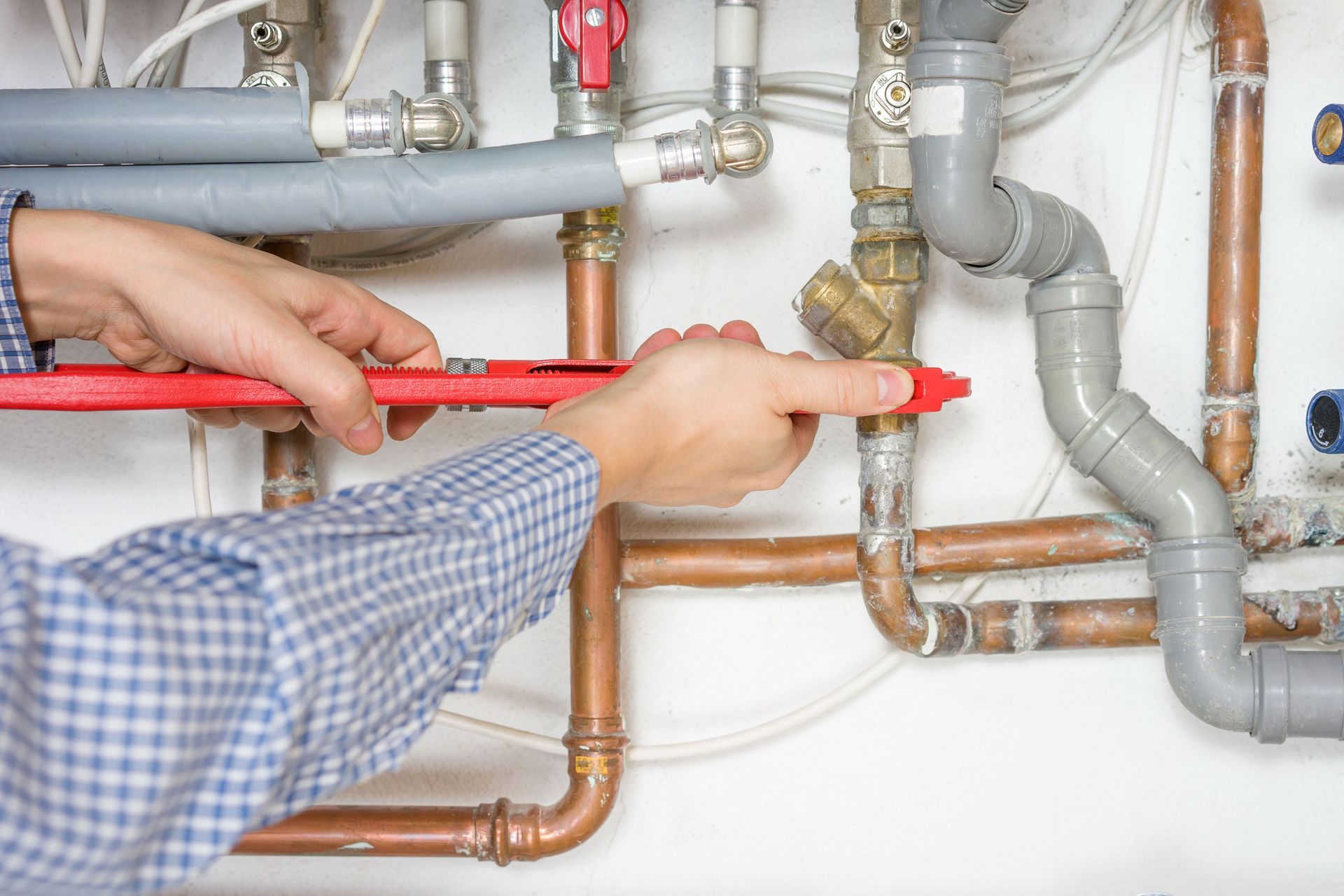
A whole-house softening system is generally installed where the main water supply enters the home. This placement allows treated water to reach connected plumbing fixtures and appliances. Depending on the equipment, installation may also require a bypass valve, drainage connection, and electrical access.
Professional installation helps confirm that the system is properly connected and configured. Incorrect sizing or installation can affect treatment performance and increase maintenance requirements.
Routine maintenance includes checking the brine tank, replenishing salt when necessary, and following manufacturer recommendations for cleaning and inspections. Depending on local water conditions, periodic resin cleaning may also be needed to remove accumulated sediment or iron.
Protecting Plumbing Fixtures and Appliances
Preventing Mineral Buildup Inside Pipes
Mineral deposits can collect along the interior surfaces of plumbing pipes, reducing the space available for water to travel. As buildup increases, homeowners may experience lower water pressure, inconsistent flow, and recurring blockages. Severe accumulation can contribute to plumbing deterioration and expensive repairs.
Water softeners help address this problem by reducing the calcium and magnesium responsible for hard water scale. With fewer hardness minerals entering the plumbing system, pipes have less exposure to deposits that restrict water movement. This can help preserve existing plumbing and reduce maintenance problems.
Preventing scale accumulation also supports connected equipment. Water heaters, washing machines, and dishwashers depend on consistent water flow, and reducing mineral exposure can help limit unnecessary wear.
Extending the Life of Faucets and Showerheads
Faucets and showerheads are among the fixtures most visibly affected by hard water. Calcium deposits collect around openings, restrict water distribution, and create stubborn white residue. Over time, buildup may interfere with handles and valves, making fixtures more difficult to operate.
Reducing mineral content helps limit these deposits, allowing water to flow more freely through fixture openings. Homeowners may also spend less time scrubbing mineral stains from bathroom and kitchen surfaces.
Regular cleaning remains important because existing deposits may not disappear immediately after installing treatment equipment. However, reducing exposure to hard minerals can make ongoing maintenance easier while preserving fixture appearance and functionality.
Improving Water Heater and Appliance Efficiency
Water heaters can lose efficiency when minerals accumulate around heating elements or settle inside storage tanks. These deposits interfere with heat transfer, potentially increasing the energy required to produce hot water. Excessive buildup can also contribute to unusual noises, reduced heating performance, and additional maintenance.
Dishwashers and washing machines face similar challenges. Mineral residue can collect around internal components, affect water distribution, and leave spots on dishes or films on clothing. When detergents become less effective, households may use additional cleaning products.
Using water softeners can reduce the mineral deposits contributing to these problems. Softer water also allows soaps and detergents to work more effectively, potentially reducing product consumption and supporting more consistent appliance performance.
Choosing the Right Water Treatment Solution
Assessing Household Water Conditions
Before purchasing treatment equipment, homeowners should determine their water's hardness level. Basic test kits use color-changing strips to provide an initial indication of mineral concentration. Professional testing can offer a more detailed assessment and identify additional water quality concerns that may affect equipment selection.
Household size, daily water consumption, plumbing configuration, and the number of bathrooms also influence system requirements. Larger properties generally need greater treatment capacity to accommodate higher water demands. Evaluating these factors helps prevent the installation of equipment that is either undersized or unnecessarily large.
Considering Environmental Responsibilities
Traditional salt-based systems release brine during regeneration. Depending on local wastewater regulations and disposal practices, this discharge may contribute additional sodium to wastewater. Homeowners should consider these factors when selecting equipment and follow applicable local requirements.
Demand-initiated regeneration can limit unnecessary salt and water consumption by activating the cleaning cycle according to actual usage. Proper system settings, appropriate sizing, and regular maintenance also support efficient operation. Consulting a water treatment professional can help homeowners balance household needs with responsible resource use.
Choosing the right water softeners and treatment equipment begins with understanding local water conditions and household consumption. Proper installation, appropriate capacity, and consistent maintenance all contribute to reliable performance. For homeowners looking to protect their plumbing fixtures and appliances, L&L Systems Inc. can help identify suitable water treatment options for their property. Taking action today can help preserve household systems and support more efficient water use for years to come.