November 1, 2026
Water quality has become a significant concern in modern households, with many people grappling with issues like hard and contaminated water. The distinction between hard water, which is rich in minerals such as calcium and magnesium, and filtered water, which has been purified through various methods, is crucial. These water types have different implications for health, household appliances, and the environment. Understanding these differences can guide you in making informed decisions about the water you consume and use daily. Let's delve into the characteristics, health implications, and effects of both water types, providing insights into the best practices for maintaining household water softeners.
Understanding Hard Water
Definition and Characteristics
Hard water is water that has a high mineral content, primarily calcium and magnesium ions. These minerals are typically dissolved from limestone, chalk, or gypsum deposits in the ground. The presence of these ions is often easily detected through various signs, such as the inability of soap to lather and the formation of white scale on bathroom fixtures. Unlike soft water, hard water does not pose a significant health risk, but it can present challenges in household maintenance. Despite these challenges, some people prefer hard water for its taste, which can be described as having a slightly richer and more flavorful character.
Common Sources of Hard Water
The primary sources of hard water are natural underground aquifers where water absorbs minerals as it percolates through the soil and rocks. This type of water is commonly found in regions with significant limestone or chalk deposits. Municipal water supplies in these areas often contain hard water as well, unless the water is treated at a processing facility. Rural homes relying on well water may also experience significant hardness due to the ground composition. Hard water is most prevalent in the Midwest and Southern regions of the United States, where large expanses of limestone formations are common.
The Process of Water Hardening
Water hardening occurs when water seeps through soil and rock layers, dissolving calcium and magnesium carbonates along the way. This natural process results in the accumulation of these ions in water, subsequently leading to the hardness characteristic. The extent of hardness is determined largely by the geological composition of the area. Over time, continuous exposure to mineral-rich sediments makes the water harder. This process is influenced by factors such as water temperature, pH levels, and the presence of carbon dioxide, which can drive mineral solubility.
Measurement and Classification
The hardness of water is measured in grains per gallon (GPG) or milligrams per liter (mg/L), both of which quantify the concentration of calcium and magnesium ions. According to our experts, water with less than 1 GPG is considered soft, while water with 3.5 to 7 GPG is classified as moderately hard. Hard water typically measures between 7 and 10.5 GPG, and any reading above that is regarded as very hard water. Laboratories and home test kits can provide precise measurements, which are essential for proper treatment.
Understanding Filtered Water
Definition and Characteristics
Filtered water refers to water that has been passed through filters to remove impurities and contaminants. The filtration process varies depending on the type of filter used, but it generally targets pathogens, chemicals, heavy metals, and sediments. The result is cleaner water that is often preferable for drinking, cooking, and even use in household appliances. Characteristics of filtered water include improved taste, reduced odor, and clarity. Unlike hard water, which retains natural minerals, filtered water may have certain minerals removed or reduced, depending on the filtration method.
Types of Water Filtration Systems
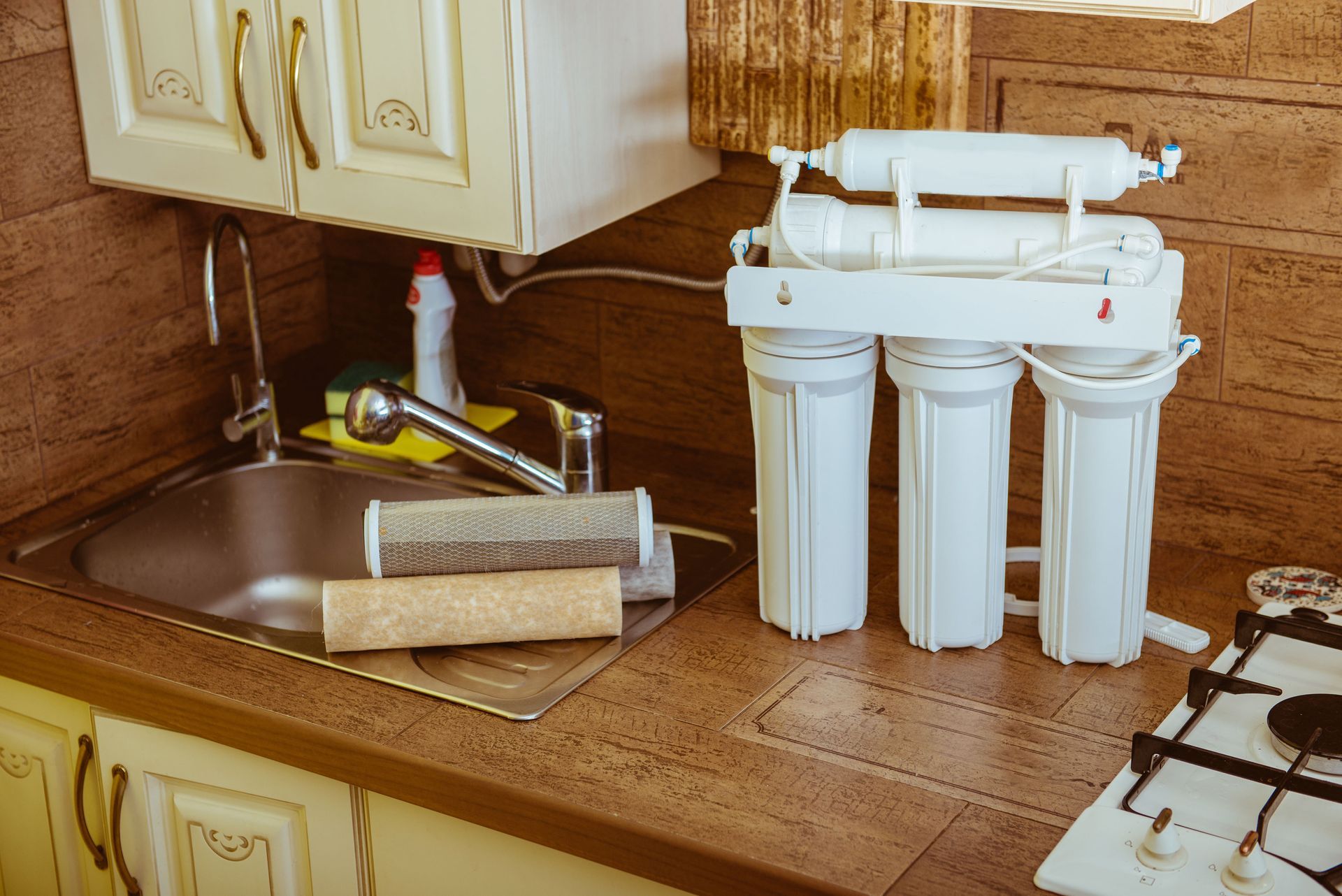
There are a few systems available, each tailored to different needs and applications. Common types include activated carbon filters, reverse osmosis systems, and ultraviolet treatment. Activated carbon filters are popular for removing chlorine and organic compounds, while reverse osmosis is effective for desalination and removing dissolved solids. Ultraviolet treatment systems are used to kill bacteria and viruses, providing chemical-free purification. Some systems combine multiple methods to enhance water quality and ensure thorough purification. Consumers often select filtration systems based on water quality reports and personal preferences regarding taste and purity.
How Filtration Effects Water Quality
Filtration significantly influences water quality by eliminating or reducing contaminants that could otherwise pose health risks. It removes sediment and particulate matter that can cause cloudiness and affect the taste of the water. Filtration can also eliminate chemical pollutants such as chlorine and lead, which are not desirable in drinking water. The process can diminish or maintain mineral levels, influencing the taste and nutritional content of the water. Ultimately, the effectiveness of filtration hinges on the type and quality of the system employed, as well as the specific impurities present in the water supply.
Health Implications
Minerals Found in Hard Water
Hard water is characterized by its high mineral content, predominantly consisting of calcium and magnesium ions. These minerals are naturally occurring and are absorbed into water as it passes through mineral-rich soil and rock. Calcium plays a vital role in maintaining strong bones and teeth, while magnesium is crucial for numerous biochemical reactions in the body. However, the presence of these minerals in water can lead to unwanted buildups in plumbing and appliances.
Potential Health Benefits of Hard Water
Drinking hard water can offer specific health benefits primarily due to its mineral content. Calcium and magnesium are essential nutrients that contribute to bone health, metabolism, and cardiovascular function. Studies suggest that these minerals, present in hard water, may help reduce the risk of heart disease and osteoporosis. Despite these advantages, the mineral content in hard water varies widely, and excessive intake might not be suitable for everyone. Nevertheless, for most healthy individuals, the minerals in hard water pose beneficial rather than harmful effects.
Potential Health Risks of Hard Water
While hard water is not considered a health hazard, it can exacerbate specific conditions. The mineral deposits of calcium and magnesium can accumulate in the body and potentially influence conditions like kidney stones. People with specific medical conditions requiring a low-mineral diet may need to avoid hard water. In terms of external use, hard water can irritate skin, particularly for those prone to eczema or psoriasis, due to its mineral content.
Effects on Household Appliances
Hard Water and Appliance Longevity
The presence of minerals in hard water can lead to scale buildup, directly impacting the longevity and efficiency of household appliances. Hard mineral deposits often accumulate on heating elements and surfaces, reducing the effectiveness and lifespan of appliances like dishwashers and water heaters. Maintenance costs increase as the buildup can lead to premature failure or the need for frequent repairs. As a preventive measure, many homeowners invest in water softeners to mitigate these effects. In larger residential properties, water softeners with a grain capacity ranging from 80,000 to 100,000 are ideal, according to the U.S. Department of Energy.
Impact on Plumbing Systems
Plumbing systems can suffer significant damage due to the constant exposure to hard water. Over time, mineral deposits create clogging and narrowing in pipes, reducing water flow and pressure. This buildup can also lead to increased instances of leaks, requiring costly repairs and replacements. Addressing this issue often involves implementing chemical or mechanical descaling processes to clear obstructions. Additionally, installing water softeners can help prevent mineral accumulation and preserve the integrity of a household's plumbing infrastructure, ensuring smooth and efficient operation.
Energy Efficiency Considerations
Hard water's impact extends to the energy efficiency of heating systems and appliances. When minerals accumulate on heating elements, they act as insulating barriers, reducing heat transfer efficiency and requiring more energy to achieve desired temperatures. This inefficiency is reflected in increased energy bills, which can significantly affect a household's budget over time. Utilizing water filtration systems can help maintain optimal performance and energy use by preventing mineral buildup. By investing in water softeners, homeowners can realize energy savings and enhance the effectiveness of their appliances.
Choosing between hard water and filtered water comes down to balancing infrastructure protection with personal health and preference. While hard water offers natural dietary calcium and magnesium, its high mineral content can quietly degrade plumbing, compromise appliance efficiency, and drive up household maintenance costs. Implementing effective water softeners or filtration allows homeowners to safeguard their appliances and energy efficiency without sacrificing water safety or taste. To learn more, reach out to the experts at L&L Systems Inc.