November 9, 2026
Access to clean, safe drinking water is fundamental to human health and daily well-being. Despite this, confusion often surrounds the devices designed to clean the water flowing from our taps. According to the Environmental Protection Agency, the Water Quality Association found that more than four out of 10 Americans use a home water treatment unit. Yet, even with widespread adoption, many consumers rely on outdated information, aggressive marketing claims, or general rumors when selecting and operating these devices.
Understanding how modern filtration works empowers household decision-makers to choose appropriate systems, maintain them properly, and avoid spending money on unneeded equipment. By debunking a few widespread myths surrounding household filtration, we can ensure that every home enjoys safe, high-quality hydration without falling prey to common misunderstandings.
Misconception 1: Tap Water Is Always Completely Safe Without Water Purifiers
One of the most frequent arguments against buying home treatment equipment is the belief that public water systems make additional filtration redundant. Municipal water utilities in developed nations must meet strict regulatory standards for biological and chemical purity before distributing water through public mains. However, passing municipal quality tests at the treatment plant doesn't guarantee that tap water reaches your kitchen sink in pristine condition.
Between the treatment site and your tap lie miles of aging infrastructure, including old lead service lines, unlined iron pipes, and deteriorating joint materials. Microscopic cracks in city distribution pipes can allow local groundwater, soil contaminants, or heavy metals to enter the supply line during pressure drops. Furthermore, while chlorine effectively neutralizes dangerous pathogens at the treatment plant, these chemical disinfectants remain in the municipal supply, impairing the taste and odor of tap water. Home water purifiers serve as an essential final barrier, catching legacy pipe contaminants and neutralizing leftover chemical treatments right at the point of use.
Misconception 2: Water Purifiers Remove All Beneficial Minerals From Drinking Water
A persistent concern regarding advanced filtration systems is that they strip away every mineral, leaving behind "dead" or harmful water. It is true that high-efficiency semi-permeable membranes filter out dissolved inorganic solids, including essential minerals like calcium, magnesium, and potassium, along with harmful contaminants like lead, arsenic, and nitrates. However, claiming this makes filtered water unhealthy misunderstands human biology and nutrition.
The human body absorbs the vast majority of its essential minerals through food, not fluid. A single balanced meal rich in leafy greens, nuts, dairy, or whole grains provides significantly higher levels of calcium and magnesium than dozens of gallons of mineralized tap water. Furthermore, many modern reverse osmosis systems now feature built-in remineralization stages. These post-filters reintroduce beneficial alkaline minerals back into the purified stream, balancing pH levels and restoring a crisp, natural taste. Thus, installing water purifiers does not deprive your body of vital nutrition.
Misconception 3: Boiling Water Delivers the Exact Same Results as Water Purifiers
Boiling tap water is a time-tested, emergency sanitation technique. When water is brought to a rolling boil for at least one minute, heat denatures the proteins and cell structures of biological organisms, killing pathogens such as bacteria, viruses, and protozoan cysts. Because of this efficacy against germs, many people assume boiling is an all-in-one substitute for modern filtration systems.
Unfortunately, heat only targets living organisms. Boiling fails to remove non-living chemical pollutants, inorganic heavy metals, micro plastics, pesticides, or pharmaceuticals. In fact, boiling contaminated water for extended periods causes pure water to evaporate as steam, concentrating non-volatile pollutants like lead, nitrates, PFAS ("forever chemicals"), and arsenic in the remaining liquid. While boiling is an invaluable tool during emergency municipal boil-water advisories, dedicated water purifiers are necessary for daily protection against non-biological and chemical contaminants.
Misconception 4: Water Purifiers Require No Regular Maintenance Once Installed
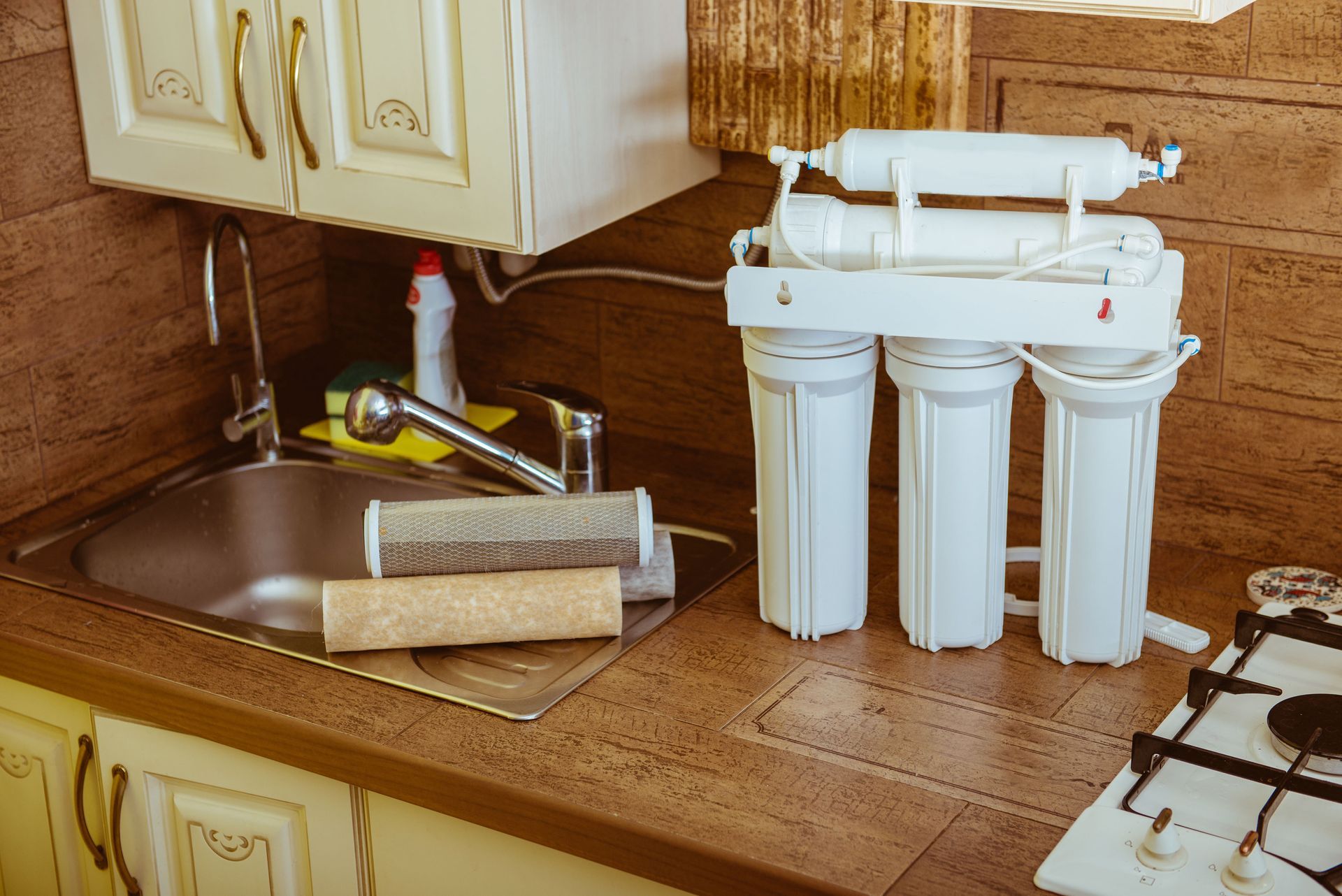
Installing a filtration system under the sink or attaching a pitcher unit in the refrigerator brings immediate peace of mind. However, treating these devices as permanent, "set-and-forget" appliances is a dangerous mistake. Every filter medium, whether activated carbon, sediment mesh, or a reverse osmosis membrane, has a finite operational capacity determined by volume and pollutant load.
Over time, active sites within carbon media become saturated with organic compounds and chlorine derivatives. Once fully saturated, filters stop trapping pollutants and can begin leaching captured chemicals back into the passing water stream. Additionally, accumulated organic matter trapped within damp filter cartridges creates a breeding ground for opportunistic bacteria. Following manufacturer guidelines for cartridge replacement schedules is essential. Routine replacement ensures that your home water purifiers continue to protect household health rather than becoming sources of re-contamination.
Misconception 5: Reverse Osmosis Wastewater Makes Systems Unreasonably Wasteful
Reverse osmosis technology utilizes a high-pressure cross-flow filtration process. Water passes across a dense semi-permeable membrane, separating pure water molecules from concentrated contaminants, which are swept away down the drain line. Critics often cite this "waste" or "brine" water ratio as a reason to avoid reverse osmosis systems altogether, picturing hundreds of gallons of lost water every day.
While early residential reverse osmosis units were inefficient, modern engineering has transformed the technology. Today's home reverse osmosis systems feature high-efficiency membranes, internal permeate pumps, and automatic shut-off valves that reduce reject water ratios. Furthermore, the volume of water used for drinking and cooking represents a tiny fraction of a household's total daily utility footprint, which is far less than flushing toilets, running washing machines, or watering lawns. The small amount of reject water generated by efficient water purifiers is a modest, highly reasonable investment for removing recalcitrant contaminants like PFAS, heavy metals, and micro plastics.
Misconception 6: All Water Purifiers Use the Same Filtration Technology
When shopping for home water treatment, consumers often encounter vastly different price tags. This wide price gap leads to the misconception that all systems use identical internal components and that higher price tags simply reflect brand markups. In reality, different filtration technologies target distinct contaminant classes, which accounts for the vast variation in design, functionality, and cost.
Activated carbon filters are excellent at trapping volatile organic compounds, chlorine, and unpleasant tastes, though they remain ineffective against dissolved salts or heavy metals. Sediment filters serve as mechanical screens to capture sand, rust, and silt, protecting downstream filters from clogging prematurely.
For more comprehensive purity, reverse osmosis membranes force water through microscopic pores to extract dissolved solids, heavy metals, fluoride, and micro plastics. Finally, ultraviolet disinfection units utilize targeted light wavelengths to scramble the DNA of biological pathogens like viruses and bacteria, rendering them harmless without adding chemicals.
Because no single media type removes every single hazard, high-performance systems combine several of these distinct stages into one unit. Understanding these mechanical differences prevents homeowners from purchasing underpowered pitch filters for complex contaminants or overpaying for systems designed far beyond their specific water quality needs.
Misconception 7: Filtered Water Never Expires or Goes Bad
Because purified water has been stripped of impurities, organic matter, and foul tastes, many people believe it can sit indefinitely in pitchers, carafes, or storage tanks without degrading. However, purified water lacks lingering chemical disinfectants like chlorine, leaving it vulnerable to environmental re-contamination once exposed to air and light.
When filtered water sits in open pitchers or reusable bottles at room temperature, airborne bacteria and fungal spores settle on the liquid surface and proliferate quickly. Additionally, pure water absorbs carbon dioxide from ambient air, forming weak carbonic acid, which subtly lowers the pH and creates a stale, flat taste. Stored water in pressurized reverse osmosis holding tanks can also develop stagnant odors if left unused for extended periods. To maintain optimal quality, store purified water in clean, airtight glass or stainless-steel containers, keep pitchers refrigerated, and consume treated water within two to three days of filtration.
Selecting appropriate home water treatment equipment requires separating fact from popular fiction. By understanding the distinct mechanics of carbon, reverse osmosis, and UV technologies, adhering to recommended maintenance schedules, and storing purified water correctly, households can make fully informed decisions. Investing in high-quality water purifiers with L&L Systems Inc remains one of the most effective, direct steps you can take to safeguard your family's daily health and enjoy clean, fresh-tasting hydration every day. Reach out to us today to get started!