November 23, 2026
Choosing the right water filtration system depends on household needs and existing water quality concerns. Reverse osmosis and whole-home filtration are two popular options, but they serve different purposes. While reverse osmosis focuses on producing highly purified drinking water, whole home water filtration systems treat incoming water throughout the entire property. Understanding how these technologies work can help homeowners make informed decisions about water treatment, long-term costs, and everyday convenience.
Understanding Reverse Osmosis Systems
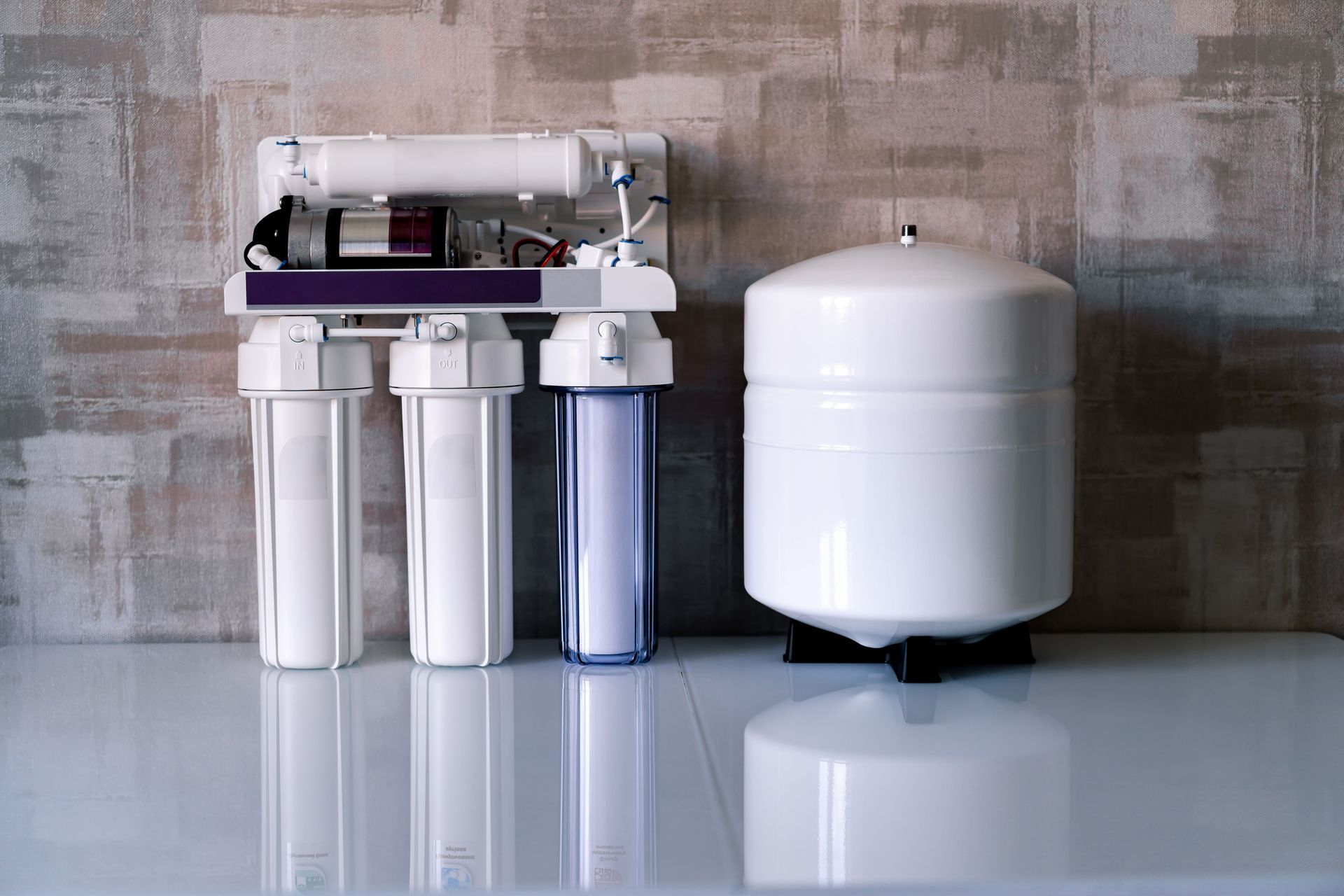
Reverse osmosis uses a semi-permeable membrane to remove dissolved substances, particles, and contaminants from water. Water passes through extremely small pores that separate unwanted materials from the purified supply. According to the CDC, reverse osmosis filters have a pore size of about 0.0001 microns, and can remove parasites, viruses, and bacteria.
Many reverse osmosis systems also incorporate multiple filtration stages to improve water quality. Sediment filters remove larger particles, while carbon filters help reduce chlorine and certain chemicals before water reaches the membrane. These additional stages support the purification process and help protect the system's components. The result is highly purified water that is particularly useful for drinking and cooking.
Understanding Whole-Home Filtration Systems
Whole-home filtration systems treat water as it enters a property through the main supply line. This allows filtered water to reach sinks, showers, appliances, and other plumbing fixtures. Depending on the filtration technology, these systems can reduce chlorine, sediment, certain chemicals, and other unwanted substances.
Different systems use specialized filtration media to address particular water quality concerns. Carbon filtration is commonly used to improve taste and odor, while sediment filtration captures particles that may enter the plumbing system. Some configurations incorporate additional treatment technologies to address specific contaminants. Selecting the right combination depends on water testing results and the household's treatment priorities.
Comparing Filtration Effectiveness
Reverse osmosis is particularly effective at removing dissolved solids and microscopic contaminants. Its membrane technology provides a high level of purification, making it useful for households concerned about specific drinking water contaminants. However, treatment is generally limited to the locations connected to the system.
Whole home water filtration systems provide broader coverage but may not remove every contaminant as effectively as reverse osmosis. Their performance depends on the filtration media and equipment selected. Water testing helps determine which technology is appropriate for a property's specific conditions.
Comparing Taste and Mineral Content
Both filtration methods can improve water taste and odor by reducing substances that contribute to unpleasant flavors. Reverse osmosis removes dissolved substances and certain chemicals, while whole-home filtration can reduce chlorine, sediment, and other unwanted materials throughout the property.
Mineral retention is another important consideration. Reverse osmosis can remove naturally occurring minerals such as calcium and magnesium, while many whole-home systems are designed to retain beneficial minerals. The results depend on the filtration technology being used. Homeowners should consider whether they prioritize extensive purification or retaining more of the naturally occurring mineral content in their water.
Comparing Installation Requirements
Reverse osmosis systems are commonly installed beneath kitchen sinks or near designated drinking water outlets. Their compact design makes them suitable for many residential properties, although adequate space is needed for filtration components and storage tanks when included.
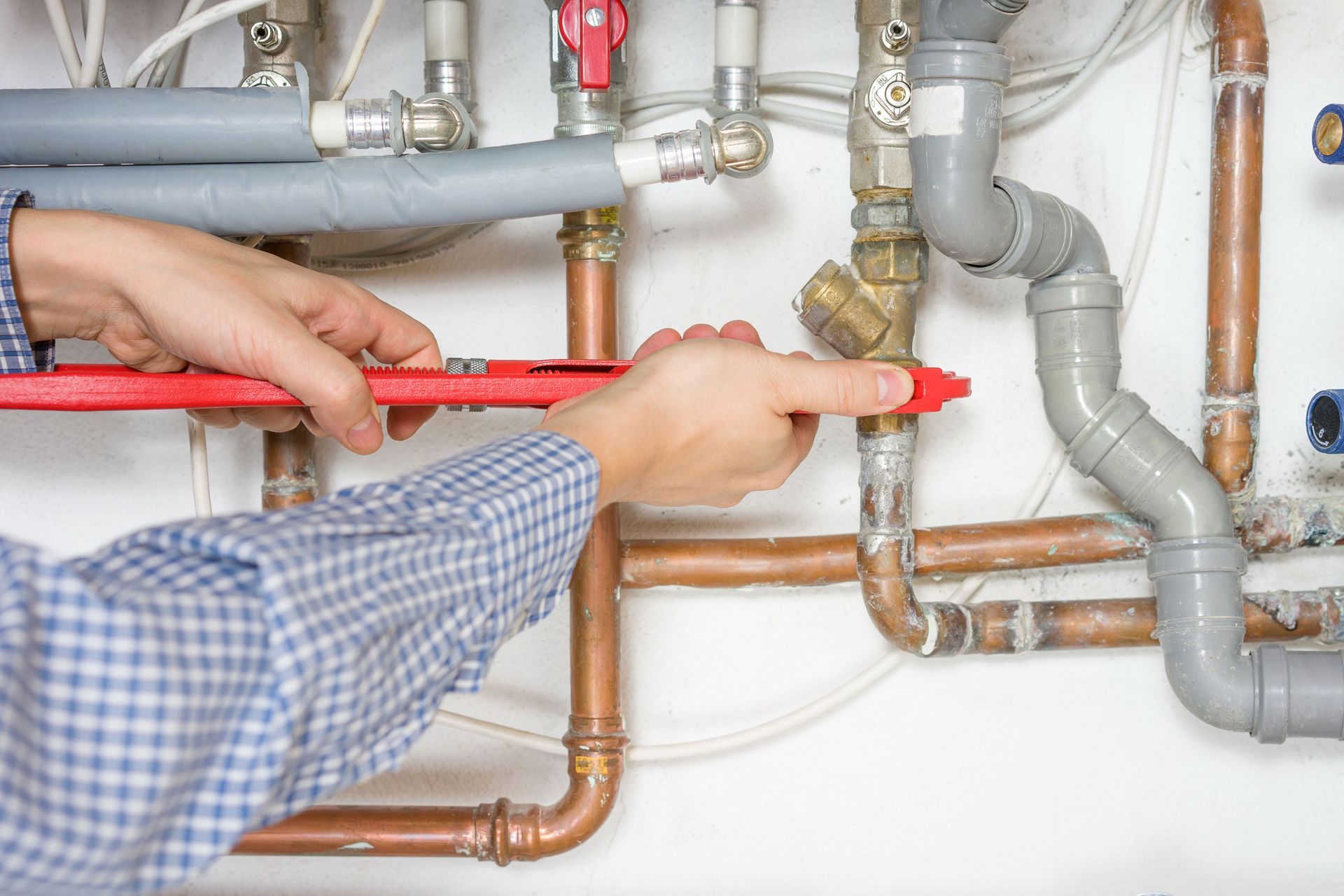
Whole-home systems are generally installed near the main water entry point. They require more space and must be integrated with the property's existing plumbing. Professional installation helps ensure proper equipment placement, water pressure, and system compatibility.
The layout of a property can influence which installation options are available. Older homes may have limited utility space or plumbing configurations that require additional planning. A professional assessment helps identify potential challenges before equipment is selected, allowing homeowners to choose a system that fits their property.
Comparing Maintenance Requirements
Reverse osmosis systems require periodic filter and membrane replacements to maintain their purification capabilities. Replacement schedules depend on manufacturer recommendations, water quality, and household consumption. Homeowners should account for these recurring expenses when evaluating long-term costs.
Whole home water filtration systems also require regular maintenance, including filter replacements and periodic inspections. Depending on the equipment, maintenance may involve replacing sediment filters, carbon media, or other filtration components. Keeping up with recommended service helps maintain consistent water quality and system performance.
Water usage and incoming water conditions can influence how frequently filtration components need attention. Homes with higher sediment levels may require more frequent filter changes than properties with cleaner incoming supplies. Following manufacturer recommendations and scheduling professional inspections can help prevent reduced filtration performance.
Comparing Long-Term Costs
Reverse osmosis systems may have a lower initial cost when purchased for individual drinking water applications. However, replacement filters and membranes contribute to ongoing expenses. The system's water usage and maintenance requirements should also factor into the overall investment.
Whole-home systems typically require a larger initial investment because they treat the entire property's water supply. However, reducing sediment and certain mineral deposits may help protect plumbing fixtures and appliances from buildup. Homeowners should compare installation expenses, maintenance costs, and potential long-term benefits before choosing equipment.
Another consideration is the number of filtration devices a household would otherwise need. Whole home water filtration systems can reduce the need for separate filters at multiple faucets and water outlets. For larger households, this convenience may make comprehensive filtration a worthwhile investment. Evaluating both immediate expenses and long-term requirements provides a clearer picture of overall value.
Choosing the Right Filtration System
Reverse osmosis may be the better option for households primarily concerned with drinking and cooking water. Its ability to reduce dissolved solids and certain microscopic contaminants makes it useful when specific purification needs exist. However, it does not provide treatment at every water outlet.
Whole home water filtration systems are generally better suited to households experiencing water quality concerns throughout the property. They provide treatment for water used in bathing, cleaning, cooking, and laundry. Their comprehensive coverage makes them a practical option for homeowners seeking improvements at multiple plumbing fixtures.
Water source is another important factor when selecting equipment. Municipal supplies and private wells can contain different substances that require specific filtration methods. Testing the water before purchasing equipment helps identify which contaminants need to be addressed. This information allows homeowners to avoid investing in technology that does not match their actual water treatment needs.
Combining Filtration Technologies
Some households may benefit from combining reverse osmosis with whole-home filtration. This approach provides general treatment throughout the property while offering additional purification for drinking and cooking water. For example, a whole-home system may reduce chlorine and sediment before water reaches household fixtures, while reverse osmosis provides additional treatment at the kitchen sink.
Although combining both technologies increases the initial investment and maintenance requirements, it can address a wider range of water quality concerns. The two systems serve different purposes, so using them together can provide more comprehensive treatment than relying on either technology alone. Professional recommendations can help determine whether both systems are necessary based on water testing and household priorities.
Improving Household Water Quality
Selecting a filtration system starts with understanding the contaminants present in the water supply. Municipal water and private well water can have different treatment requirements, making water testing an important part of the selection process. Household size, daily water consumption, plumbing conditions, and budget also influence which equipment will provide the greatest value.
Homeowners should consider whether they need targeted drinking water purification or broader treatment for every water outlet. Comparing filtration capabilities, installation requirements, and maintenance expenses helps narrow down the available options. Properly selected whole home water filtration systems can provide consistent treatment that supports household needs and improves everyday water quality.
For properties with multiple water quality concerns, whole home water filtration systems offer the advantage of treating water before it reaches individual fixtures. This approach can simplify household water treatment while providing consistent filtration for everyday activities. Selecting equipment based on actual water conditions helps ensure the system addresses the most important concerns.
Choosing between reverse osmosis and whole-home filtration depends on your property's water conditions and treatment priorities. Working with an experienced water treatment provider can help you identify suitable equipment and understand its long-term benefits. L&L Systems Inc. can help you explore filtration solutions designed to improve your home's water quality.
Whether you are interested in targeted drinking water purification or whole home water filtration systems, selecting the right equipment is an important investment in your property. Contact L&L Systems Inc. today to discuss your water treatment needs and find a system that fits your household.