May 8, 2026
Water touches nearly every system in a home, yet its impact often goes unnoticed until problems surface. From mineral buildup to hidden contaminants, untreated water can quietly wear down essential appliances and drive up maintenance costs. A well-planned filtration strategy does more than improve taste and clarity; it creates a protective barrier that extends the life of your investment. When homeowners understand how water quality interacts with their equipment, they can make smarter decisions that support efficiency and long-term performance.
Water Quality and Appliance Performance
Water quality plays a direct role in how efficiently appliances operate over time. Minerals such as calcium and magnesium, commonly found in hard water, can accumulate inside internal components and restrict proper function. This buildup forms scale that reduces heat transfer in systems like dishwashers and washing machines, forcing them to work harder to deliver the same results. Over time, this strain can lead to premature wear and costly repairs that could have been avoided with proper filtration.
In addition to mineral content, chemical contaminants can also interfere with appliance performance. Residual chlorine, sediment, and other impurities may degrade internal seals and surfaces, leading to leaks or inefficiencies. According to Forbes, at least 45% of America’s tap water contains polyfluorinated alkyl substances (PFAS). These compounds highlight the importance of addressing not only hardness but also overall water composition when protecting appliances.
By investing in comprehensive filtration, homeowners create a more stable operating environment for their equipment. Systems designed to remove both minerals and contaminants help appliances run more smoothly and consistently. Over time, this leads to fewer breakdowns, improved energy efficiency, and a noticeable reduction in maintenance demands.
Mineral Buildup and Long-Term Damage
Mineral buildup is one of the most common causes of appliance deterioration in residential settings. As hard water flows through pipes and appliances, it leaves behind deposits that gradually harden into scale. This scale coats heating elements, clogs valves, and restricts water flow, making it difficult for appliances to function as intended. The result is longer cycle times, uneven performance, and increased energy consumption.
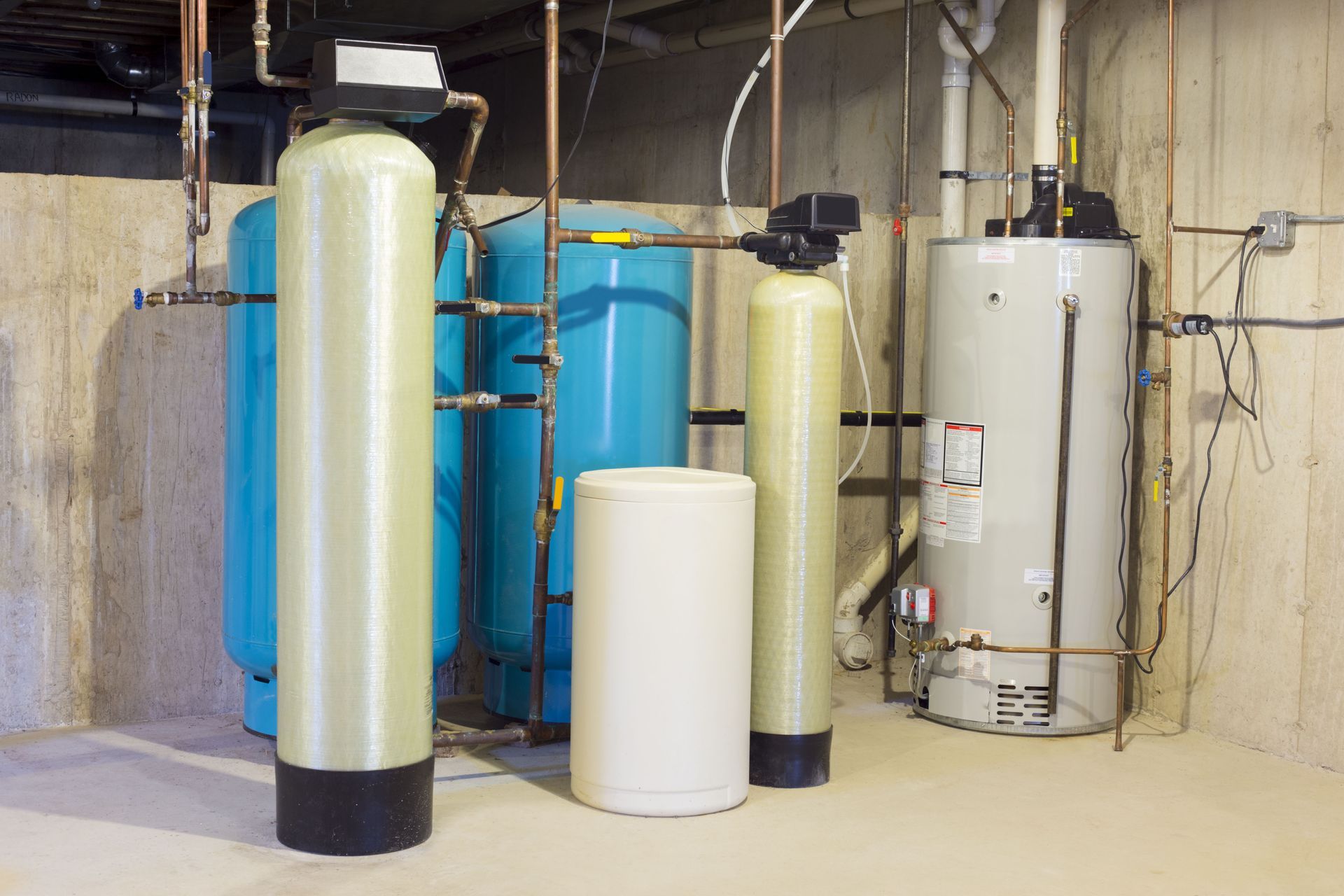
Water softeners address this issue by removing the minerals responsible for scale formation before they enter the home’s plumbing system. By exchanging hardness ions with softer alternatives, these systems prevent buildup from forming in the first place. This proactive approach helps maintain the integrity of internal components and keeps appliances running at optimal efficiency.
Without proper treatment, scale can become deeply embedded and difficult to remove. Appliances such as water heaters and dishwashers are particularly vulnerable, as they rely heavily on consistent heat transfer and water flow. Incorporating water softeners into a filtration strategy significantly reduces the risk of long-term damage and extends the usable life of these essential systems.
Filtration Systems and Efficiency Gains
Efficiency is a key factor in both appliance performance and household utility costs. When appliances operate with clean, balanced water, they require less energy and fewer resources to complete their tasks. Filtration systems play a critical role in achieving this balance by removing impurities that can hinder performance.
Water softeners contribute to efficiency by preventing scale from insulating heating elements. When scale is absent, appliances can heat water more effectively, reducing the energy required for each cycle. This improved efficiency translates into lower utility bills and a smaller environmental footprint, making filtration a practical and responsible investment.
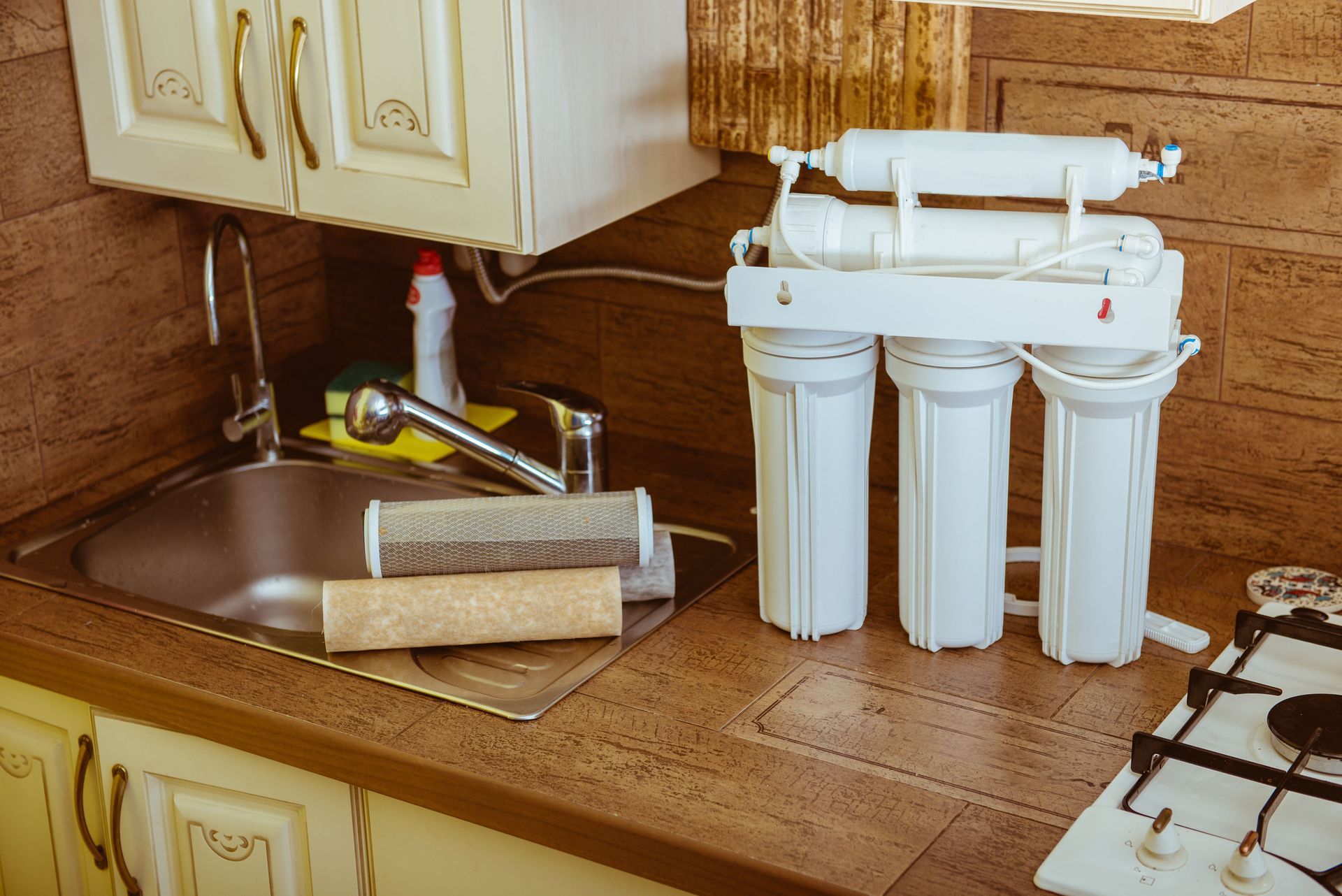
Beyond softening, advanced filtration systems can target specific contaminants that affect appliance operation. Sediment filters remove particles that could clog internal components, while carbon filters address chemical residues that may degrade materials over time. Together, these systems create a comprehensive solution that supports both performance and longevity.
Household Systems and Maintenance Reduction
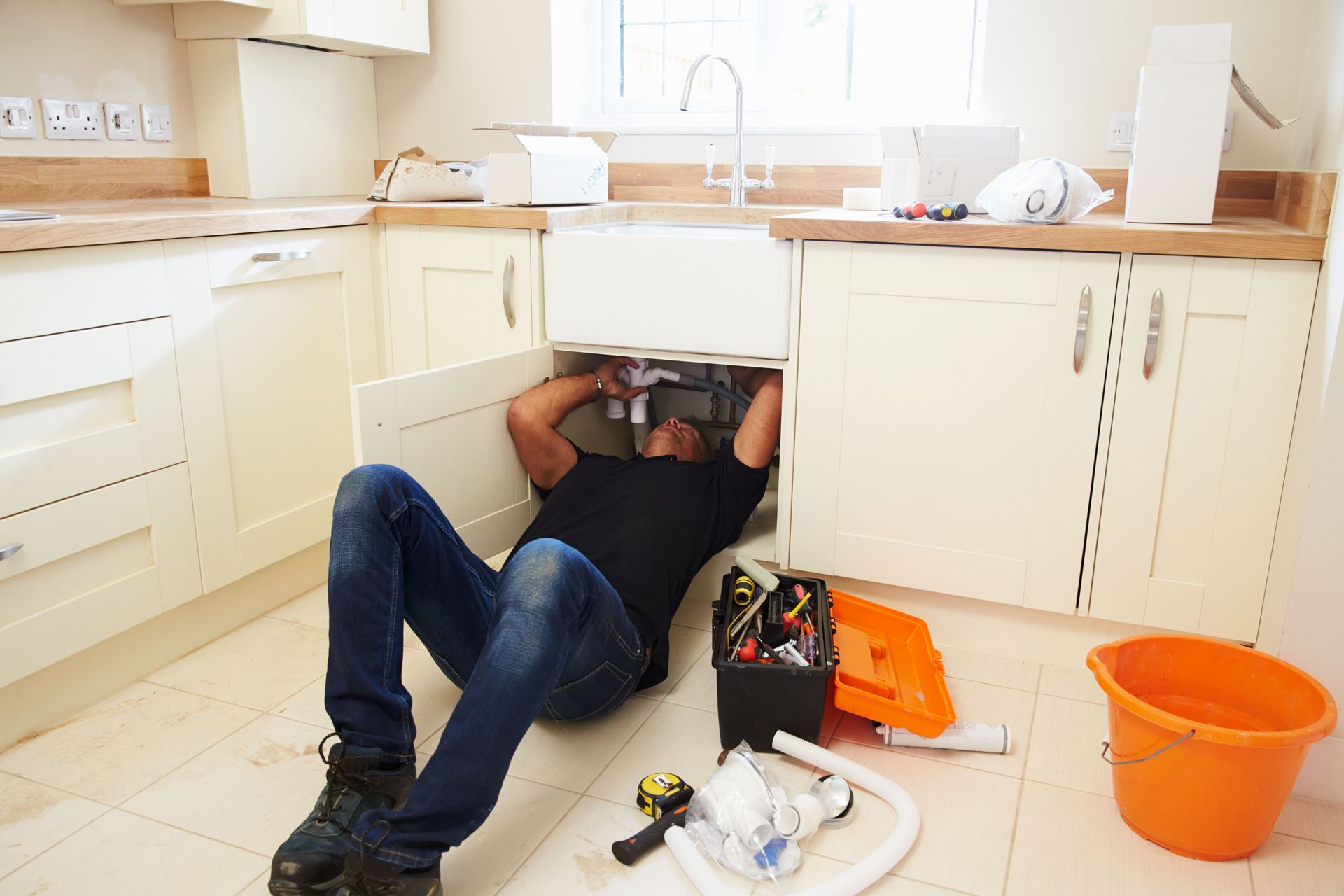
Maintenance is an unavoidable aspect of homeownership, but water quality can significantly influence how often it is required. Appliances exposed to untreated water tend to accumulate buildup and wear more quickly, leading to frequent servicing and part replacements. By improving water quality at the source, homeowners can reduce the frequency and severity of these issues.
Water softeners play a central role in minimizing maintenance needs by preventing the formation of scale throughout the plumbing system. This protection extends beyond appliances to include fixtures, pipes, and water heaters. As a result, homeowners experience fewer clogs, reduced corrosion, and a more reliable overall system.
Filtration systems also simplify routine cleaning tasks. Appliances such as dishwashers and washing machines perform more effectively with treated water, reducing the need for repeated cycles or harsh cleaning agents. Over time, this not only saves effort but also preserves the condition of both appliances and household items.
Appliance Lifespan and Cost Savings
The lifespan of household appliances is closely tied to the quality of water they process. When exposed to hard water and contaminants, components wear out more quickly, leading to early replacement. This cycle can become costly, especially when multiple appliances are affected by the same underlying issue.
Water softeners help break this cycle by creating a protective environment that supports long-term durability. By eliminating the primary cause of scale buildup, these systems allow appliances to operate under less stress. This reduced strain translates into fewer breakdowns and a longer functional lifespan for essential equipment.
Cost savings extend beyond appliance replacement. Improved efficiency means lower energy consumption, while reduced maintenance needs lead to fewer service calls. Over time, the initial investment in filtration pays for itself through consistent performance and minimized expenses. For homeowners looking to protect their investment, water softeners offer a practical and effective solution.
Water Treatment Solutions and Smart Integration
Modern water treatment solutions offer a range of options that can be tailored to specific household needs. From whole-home systems to targeted point-of-use filters, homeowners can choose configurations that address their unique water quality challenges. This flexibility allows for a more strategic approach to appliance protection and overall water management.
Water softeners are often integrated into broader filtration systems to provide comprehensive coverage. By combining softening with additional filtration methods, homeowners can address both mineral content and chemical contaminants in a single solution. This integrated approach ensures that all water entering the home is treated to a consistent standard.
Smart technology is also playing an increasing role in water treatment. Advanced systems can monitor usage, detect changes in water quality, and optimize performance in real time. These features provide greater control and visibility, allowing homeowners to maintain optimal conditions for their appliances with minimal effort. As technology continues to evolve, integrated solutions will become even more effective at safeguarding household systems.
Protecting appliances starts with understanding the role water plays in their performance and longevity. Untreated water can introduce a range of challenges, from mineral buildup to chemical exposure, all of which contribute to wear and inefficiency. By investing in filtration systems that include water softeners, homeowners can create a more stable and supportive environment for their equipment. This proactive approach leads to fewer repairs, improved efficiency, and a longer lifespan for essential appliances. Regular maintenance of these systems ensures continued optimal performance and protection for your appliances.
At L&L Systems Inc, we take a comprehensive approach to water treatment, helping homeowners protect their appliances and improve overall water quality with solutions designed for long-term performance. Our dedicated team of experts works closely with clients to tailor solutions that meet the specific needs of each household.