April 23, 2026
Water may look clean coming out of the tap, but appearance alone doesn’t guarantee safety. Municipal systems are designed to meet regulatory standards, yet those standards don’t always eliminate every potential risk. Aging infrastructure, environmental factors, and chemical byproducts can all affect what ultimately reaches your home. That’s why many homeowners turn to water filtration as a practical way to improve both safety and quality. Investing in comprehensive water testing and filtration systems can further safeguard against unregulated contaminants that might not be detected through standard procedures.
1. Identify Common Contaminants in Tap Water
Even after treatment, tap water can carry a mix of contaminants from natural and industrial sources. These may include sediment, pesticides, herbicides, and residual disinfectants used during municipal processing. As water travels through pipes, it can also pick up additional impurities, especially in older systems. Installing a water filtration system helps reduce exposure to these unwanted substances and creates a more reliable water supply. Regular maintenance and updates to filtration systems ensure they operate at maximum efficiency in removing these impurities.
2. Reduce Exposure to Heavy Metals
Heavy metals like lead and mercury remain one of the most serious concerns in residential water systems. Homes with older plumbing are particularly vulnerable, as pipes and solder can leach metals into the water over time. Even low levels of lead exposure can impact neurological development in children and contribute to long-term health issues in adults. Advanced water filtration solutions are designed to remove these contaminants effectively, helping protect everyone in the household. Routine testing for heavy metals can assist in identifying potential problems before they affect health.
3. Eliminate Harmful Microorganisms
While municipal treatment includes disinfection, it doesn’t always guarantee complete protection from bacteria, viruses, or parasites. Contamination can occur through infrastructure failures, environmental runoff, or storage issues within plumbing systems. This is especially concerning for households with young children, elderly individuals, or those with weakened immune systems. Systems like ultraviolet disinfection paired with water filtration provide an added layer of defense against these invisible threats. Maintaining a backup supply of disinfectant treatments can also provide extra protection in emergency situations.
4. Address Dangerous Chemical Compounds
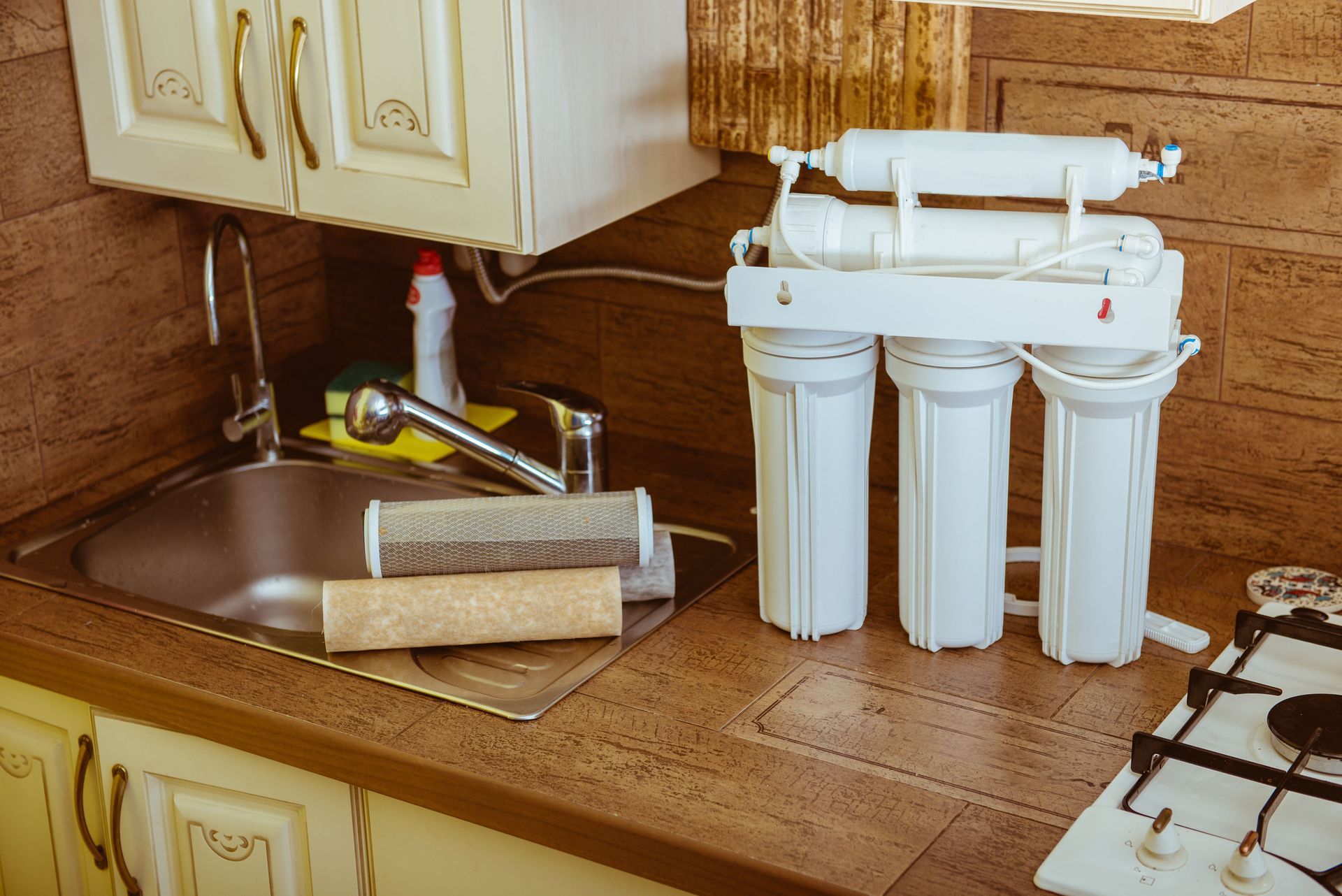
Certain chemicals in tap water pose long-term health risks, even at low concentrations. Chromium-6 is one of the most concerning, widely recognized for its link to serious health conditions. According to the Environmental Working Group, chromium-6 contaminates the drinking water of more than 250 million Americans. High-performance water filtration systems, including reverse osmosis options, can significantly reduce these contaminants and improve overall water safety. Incorporating advanced monitoring tools can help track and mitigate emerging chemical threats in the water supply.
5. Improve Taste and Odor Quality
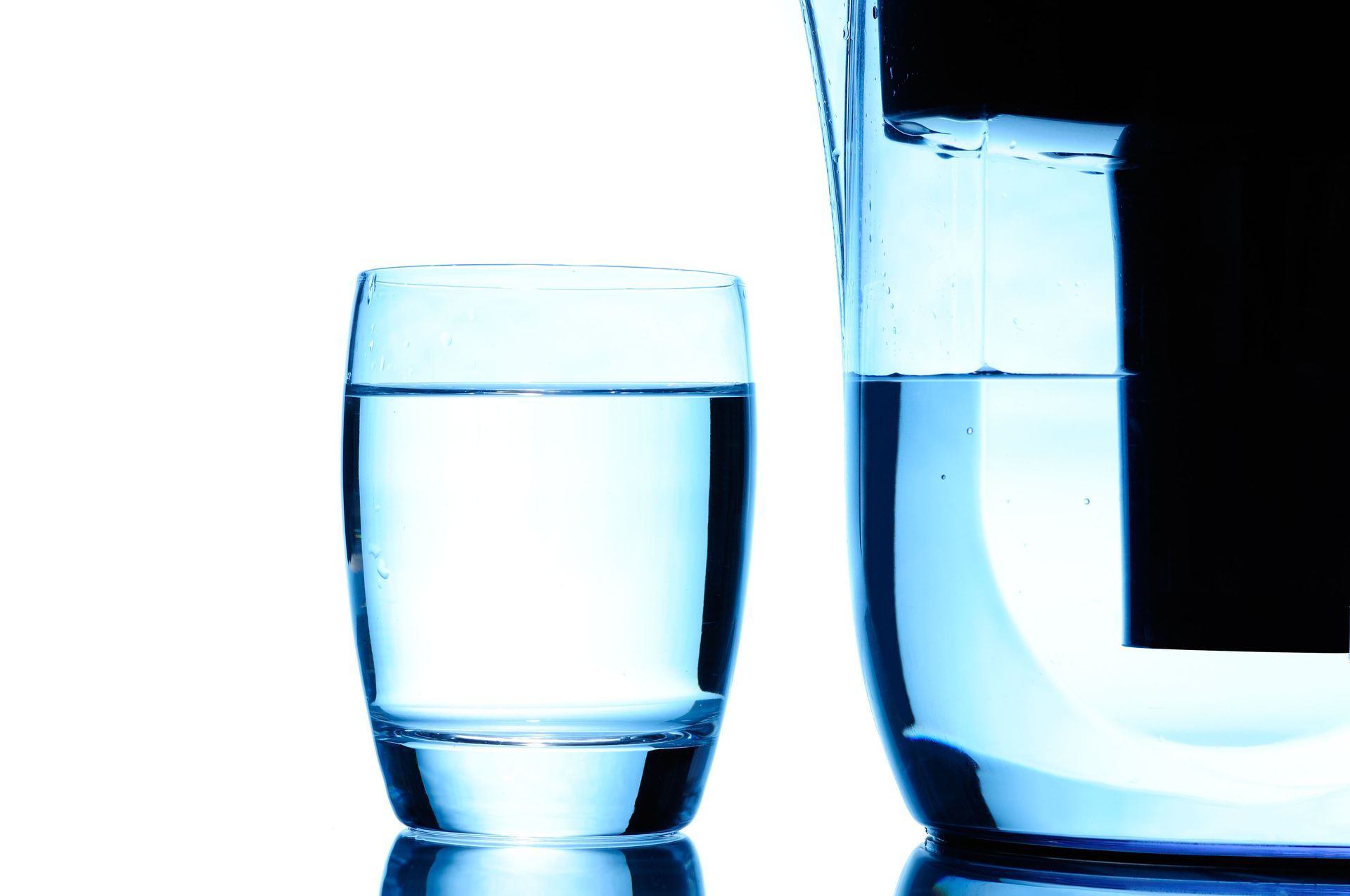
Beyond safety, the taste and smell of tap water can strongly influence daily use and hydration habits. Chlorine, commonly used for disinfection, often leaves behind a noticeable odor and unpleasant aftertaste. Organic matter and pipe conditions can also contribute to off-putting flavors. A properly installed filtration system with activated carbon can remove these elements, resulting in cleaner, fresher-tasting water that’s more enjoyable to drink. Engaging with professional services can help tailor filtration systems to specific taste improvement needs.
6. Enhance Whole-Home Water Performance
Filtration isn’t limited to drinking water; it can improve water quality throughout the entire home. Whole-home solutions help protect appliances, reduce scale buildup, and extend the life of plumbing systems. Water conditioners, refiners, and filtration units work together to address hard water and other common issues. With integrated water filtration, homeowners benefit from better water for cooking, cleaning, bathing, and overall daily use. Integrating smart technology with water systems can enhance the efficiency and control of filtration processes for the entire household.
Clean water is essential, but relying solely on municipal treatment leaves gaps that can impact health, comfort, and long-term home performance. From reducing exposure to harmful contaminants to improving taste and protecting plumbing systems, filtration offers a practical, reliable upgrade. Investing in high-quality solutions ensures consistent results and peace of mind for your household. For dependable systems and expert support, turn to L&L Systems Inc and take the next step toward safer, better water. Consulting with professionals can ensure that you choose the most effective and reliable filtration system tailored to your specific needs.